
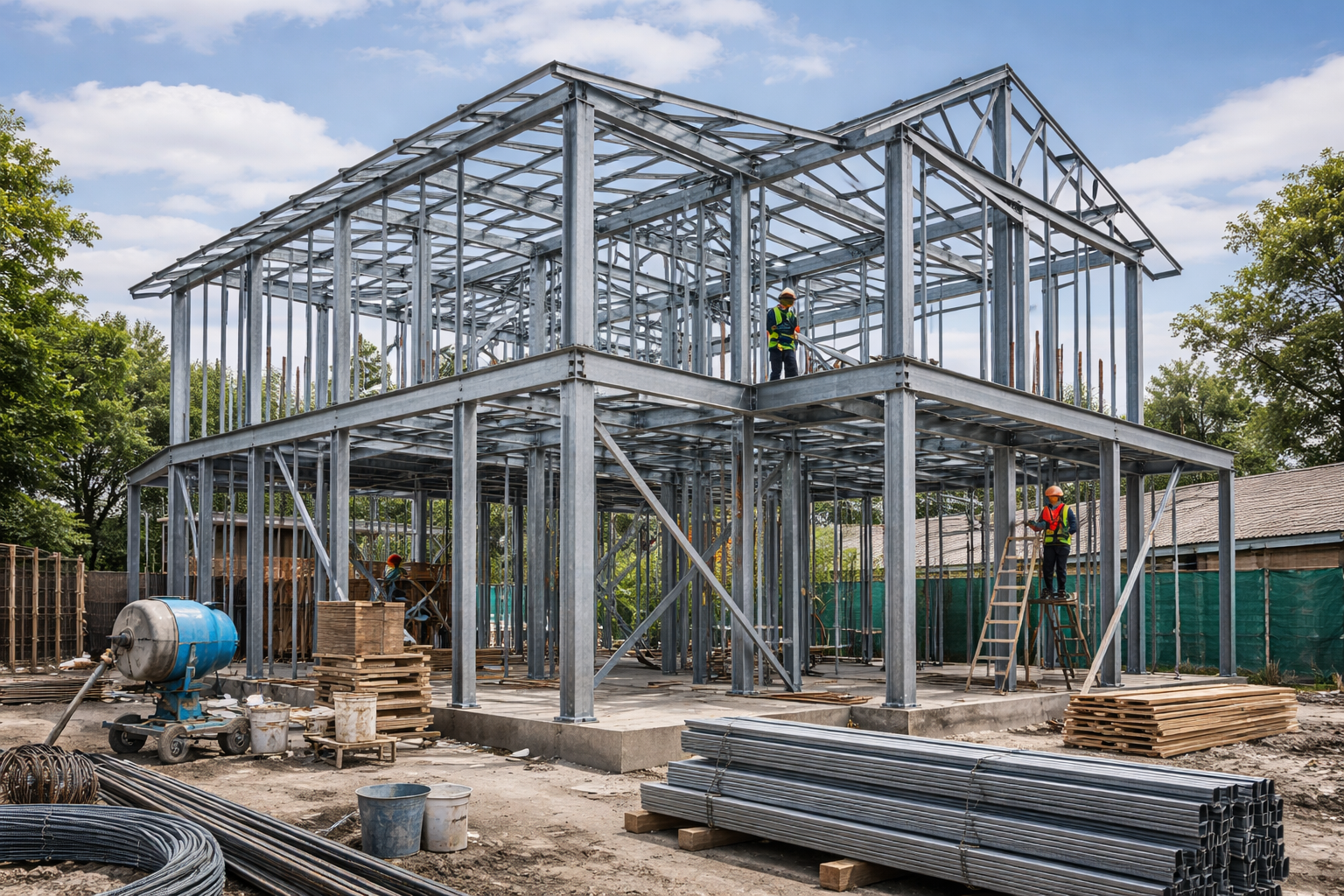
Selecting the right universal beam is one of the most important decisions in any construction project. The beam you choose directly affects the structure’s strength, stability, safety, and overall cost. Whether you are building a house, warehouse, commercial space, mezzanine floor, or industrial framework, choosing the correct universal beam helps ensure the project performs as intended over the long term.
If the beam is too small, it may not safely handle the required loads. If it is too large, you may end up paying more than necessary in materials, transport, and installation. That is why universal beam selection should always be approached carefully, with a clear understanding of the project’s structural demands.
Here is a practical guide to help you choose the right universal beams for your construction project.
What Are Universal Beams?
Universal beams, often called UBs, are structural steel sections designed to carry heavy loads efficiently. They are also sometimes referred to as I-beams or H-beams, depending on their shape and application.
A universal beam typically consists of:
- a central vertical web
- two horizontal flanges at the top and bottom
This shape allows the beam to resist bending and support substantial structural loads, which is why universal beams are widely used in:
- building frameworks
- floor systems
- roof supports
- bridges
- industrial structures
- mezzanine floors
Universal beams are popular because they provide excellent strength and load-bearing performance while remaining practical for fabrication and installation.
1. Understand Load Requirements
The first and most important step in choosing a universal beam is determining the load it must support. This is the foundation of correct beam selection.
Types of Loads to Consider
Dead Load
This is the permanent weight of the structure itself, including materials such as concrete, steel, roofing, flooring, and walls.
Live Load
This includes variable or moving loads such as people, furniture, storage, machinery, and equipment.
Environmental Loads
These are external forces that may affect the structure, including wind loads, seismic forces, rain loads, and other environmental pressures depending on the project location.
Why It Matters
If a beam is undersized, it may deflect excessively or fail under load. If it is oversized, you may spend more than necessary on steel, fabrication, and installation. Proper load assessment helps ensure the beam is both safe and cost-effective.
2. Determine the Span Length
The span is the distance the beam needs to cover between supports, such as columns or load-bearing walls. Span length has a major influence on the beam size required.
General Rule
- longer spans usually require deeper and stronger beams
- shorter spans may allow for lighter and more economical sections
As the span increases, the beam generally needs greater depth and strength to resist bending and maintain acceptable deflection limits.
Why It Matters
A beam that works well for a short span may not be suitable for a longer one, even if the load remains the same. This is why span length must always be considered alongside load requirements.
3. Check Beam Size and Weight
Universal beams come in a wide range of sizes and are typically identified by their depth and mass per metre. Understanding these dimensions helps you compare options and choose a section that matches your project needs.
Common Beam Measurements
Universal beams are usually defined by:
- depth – the overall height of the beam
- flange width – the width of the top and bottom sections
- weight per metre – the mass of the beam for each metre of length
Example
A beam labelled 200UB25 generally means:
- 200 mm depth
- 25 kg per metre
Why It Matters
Heavier beams typically provide greater strength and stiffness, but they also increase:
- material costs
- transport requirements
- lifting and handling complexity
- installation labour
Choosing the right beam size means finding the section that provides the required performance without unnecessary excess.

4. Consider the Steel Grade
Not all steel beams are made from the same grade of steel. Material grade affects the beam’s strength, durability, and suitability for different structural applications.
Why Steel Grade Matters
Higher-grade steel can offer:
- greater strength
- improved performance under heavy loads
- the potential to use a smaller beam size for the same structural requirement
This can be especially useful in projects where space, weight, or design efficiency matters.
What to Keep in Mind
The right steel grade depends on the engineering design, project specifications, and applicable building standards. For demanding structural applications, the steel grade can be just as important as the beam size itself.
5. Evaluate Environmental Conditions
The environment where the beam will be installed plays a major role in selecting the right product and finish. A beam used indoors in a dry setting has very different requirements from one exposed to weather, moisture, or salt air.
Ask These Questions
- Will the beam be exposed to rain or humidity?
- Is the site near the coast where salt air may accelerate corrosion?
- Will the structure experience high temperatures, chemical exposure, or other harsh conditions?
Solutions
Depending on the environment, you may need:
- galvanised universal beams for improved corrosion resistance
- protective coatings or paint systems for outdoor durability
- special finishes for industrial or high-exposure environments
Why It Matters
Environmental conditions can significantly affect the lifespan of steel. Choosing the right protection early helps reduce maintenance requirements and extend long-term performance.
6. Think About Fabrication and Installation
Beam selection is not only about structural performance. You also need to consider how the beam will be transported, fabricated, and installed on site.
Practical Factors to Consider
- ease of cutting, drilling, and welding
- transport logistics for longer or heavier sections
- crane or lifting equipment requirements
- on-site access and installation constraints
- compatibility with connection details and supporting members
Why It Matters
Heavier or more complex beams can increase labour and equipment costs. In some cases, selecting a beam that is slightly easier to fabricate or install can improve overall project efficiency without compromising structural performance.
7. Ensure Compliance with Building Standards
Universal beams must always meet relevant building codes, engineering standards, and project specifications. Structural steel is a critical safety component, so compliance is essential.
Why Compliance Matters
- ensures structural safety and reliability
- supports approvals, certification, and inspections
- reduces the risk of design or legal issues later
- helps confirm the beam is suitable for its intended use
Using compliant beams and proper engineering documentation is a vital part of responsible construction practice.
8. Work with a Structural Engineer
Even if you understand the basics of beam selection, professional engineering advice is essential for any critical structural application. Universal beams should never be chosen based on guesswork or rough assumptions alone.
A Structural Engineer Can Help By:
- performing accurate load calculations
- assessing span and deflection requirements
- recommending the correct beam size and grade
- ensuring compliance with relevant standards
- identifying the most efficient and safe structural solution
Important Note
Structural components affect the safety of the entire building. Working with a qualified engineer helps prevent costly mistakes and ensures the selected beam is appropriate for the job.
9. Balance Cost and Performance
A good universal beam selection is not just about choosing the strongest option. It is about choosing the beam that delivers the required structural performance as efficiently as possible.
Avoid These Common Mistakes
Over-specifying
This means choosing a beam larger or heavier than necessary, which can increase costs for no real benefit.
Under-specifying
This means choosing a beam that is too small for the required load or span, which can create major safety risks and expensive redesign issues.
Best Approach
The ideal beam is one that provides:
- sufficient strength
- acceptable deflection performance
- efficient use of material
- practical fabrication and installation
- good value for the project budget
Balancing cost and performance is one of the most important parts of smart structural design.
Key Questions to Ask Before Choosing a Universal Beam
Before making a final decision, it helps to ask:
- What loads will the beam need to support?
- What is the required span between supports?
- Will the beam be exposed to weather or corrosion risks?
- What size and weight can be practically installed on site?
- Does the beam meet local standards and engineering requirements?
- Has a structural engineer confirmed the selection?
These questions help ensure the beam is suitable from both a technical and practical perspective.