
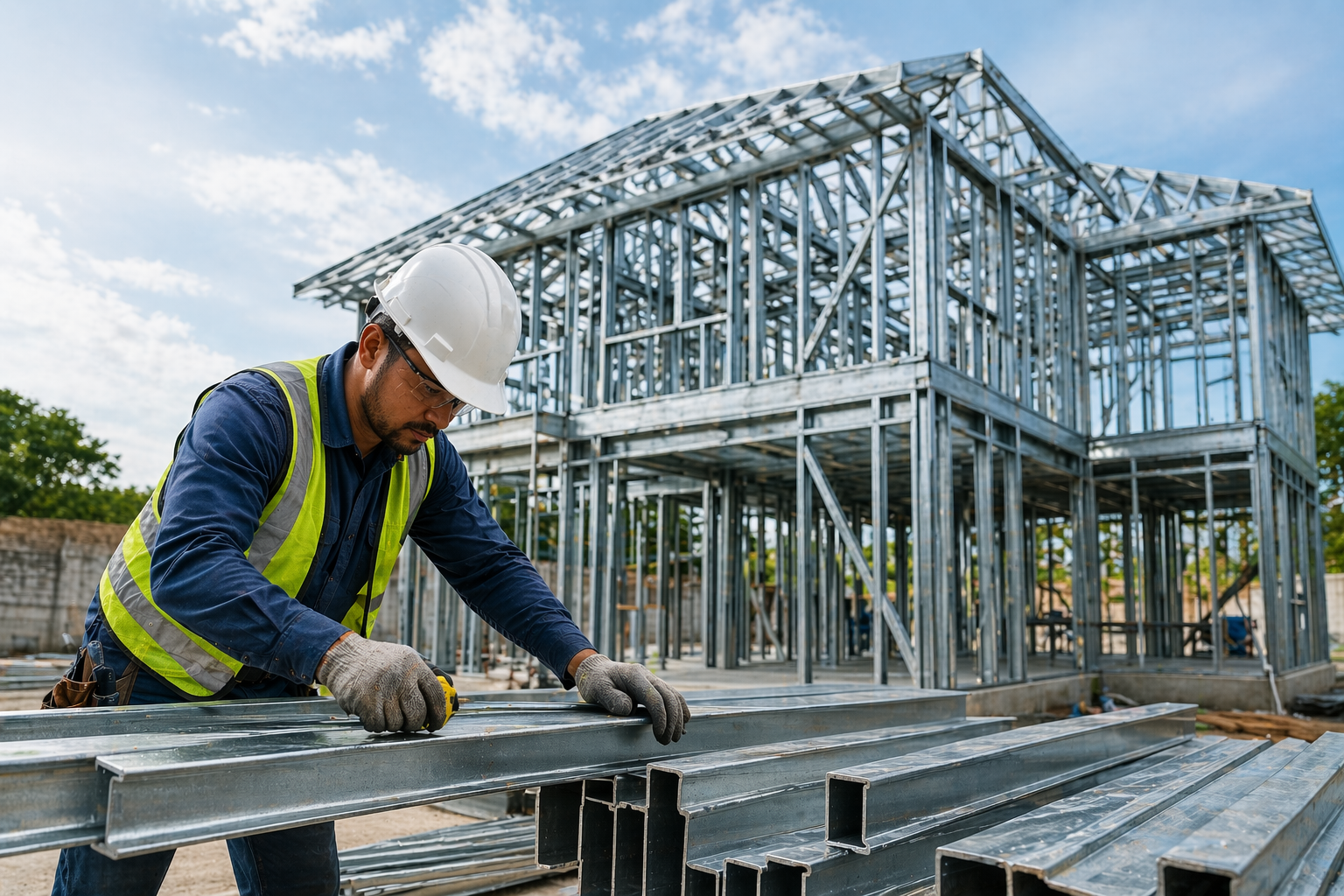
Steel is one of the most durable and dependable materials used in construction, manufacturing, transportation, and infrastructure. Its strength, versatility, and long service life make it a preferred choice for everything from skyscrapers and bridges to appliances and industrial equipment. Still, one question comes up often: how long does steel actually last?
The truth is that steel does not have a single fixed lifespan. Depending on the type of steel, the environment it is exposed to, and how well it is maintained, steel can last anywhere from 20 years to well over 100 years. In controlled indoor settings, steel may remain in excellent condition for decades with minimal deterioration. In harsh outdoor or corrosive environments, however, its lifespan can be significantly reduced if the material is not properly protected.
Understanding what affects steel durability helps property owners, builders, and buyers make better decisions about material selection, coatings, maintenance, and long-term costs.
Average Lifespan of Steel
Under typical conditions, steel can serve reliably for many decades. While actual performance varies by application, these are common lifespan ranges:
- Structural steel (buildings, bridges, large frameworks): 50 to 100+ years
- Galvanized steel: 40 to 70 years, and often longer in mild environments
- Stainless steel: 75 to 100+ years
- Outdoor untreated steel: 10 to 30 years, depending on climate and exposure
These estimates show how durable steel can be when the right type is chosen for the job. Many famous steel structures around the world have remained in service for more than a century, especially when supported by good engineering and routine maintenance. This long track record is one reason steel continues to be one of the most trusted materials in modern construction and manufacturing.
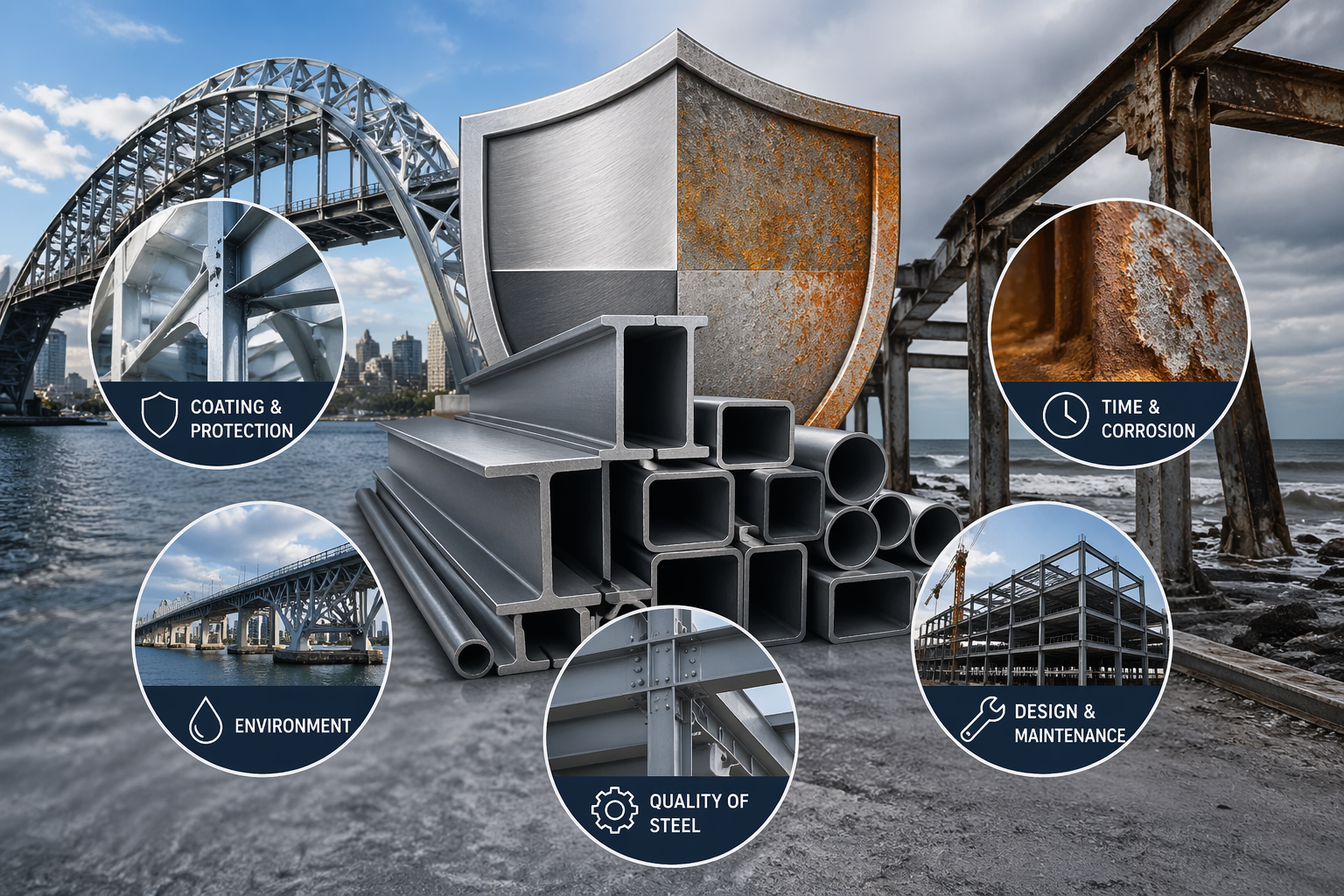
What Determines How Long Steel Lasts?
A steel product’s lifespan depends on several key factors. Some relate to the environment, while others come down to material selection, design, installation, and upkeep.
1. Environmental Conditions
The environment has one of the biggest impacts on steel durability. Steel performs best in dry, stable conditions, but it becomes more vulnerable when exposed to moisture, salt, and chemicals over long periods.
For example, high humidity and frequent moisture exposure can speed up oxidation, which eventually leads to rust. In coastal areas, salt in the air and water is especially damaging because it increases the rate of corrosion. In industrial settings, airborne chemicals and pollutants can further weaken protective finishes and attack the metal surface.
Because of this, steel used indoors in dry conditions often lasts far longer than steel used outdoors in demanding environments. A beam inside a climate-controlled building may remain sound for generations, while the same steel exposed to rain, salt air, and temperature swings may deteriorate much faster without protective treatment.
Bottom line: steel in mild, dry environments generally lasts much longer than steel exposed to harsh weather or corrosive conditions.
2. Corrosion and Rust Protection
Steel’s biggest long-term threat is corrosion. When steel is exposed to oxygen and moisture, rust begins to form. Left unchecked, corrosion can weaken the material, damage its appearance, and shorten its service life.
That is why protective treatments are so important. Common methods include:
- Galvanization: applying a zinc coating that shields the steel from moisture and oxygen
- Paint or powder coating: creating a barrier between the steel and the surrounding environment
- Stainless steel composition: using chromium-rich steel that naturally resists corrosion
These protection methods can add decades to a steel product’s life. Galvanized steel, for instance, is commonly used in outdoor applications because its zinc coating sacrifices itself before the underlying steel begins to corrode. Stainless steel offers even greater resistance in many environments, making it ideal for applications where moisture, chemicals, or sanitation are concerns.
Without proper protection, steel can break down much faster, especially outdoors. Even strong, high-quality steel can fail early if corrosion is allowed to spread.
3. Type of Steel Used
Not all steel performs the same way. The type of steel selected has a major influence on durability, strength, and resistance to the elements.
- Carbon steel is strong and widely used, but it is more vulnerable to rust if it is not coated or maintained properly.
- Stainless steel contains chromium, which helps form a protective surface layer that resists corrosion.
- Alloy steel can be engineered for enhanced strength, wear resistance, or toughness depending on the added elements.
Choosing the correct steel for the application is critical. A lower-cost steel may seem attractive upfront, but if it is used in the wrong environment, it can lead to higher maintenance costs and earlier replacement. On the other hand, using a more corrosion-resistant grade in demanding conditions can improve performance and reduce long-term expenses.
In other words, durability starts with selecting the right material for the job.
4. Maintenance and Upkeep
Even the most durable steel benefits from regular maintenance. Proper upkeep can extend the life of steel by many years and help catch small problems before they become serious failures.
Important maintenance steps include:
- Inspecting for rust, cracks, or coating damage
- Cleaning dirt, debris, and standing moisture from surfaces
- Reapplying paint, sealants, or protective coatings when needed
- Repairing damaged areas before corrosion spreads
Maintenance is especially important for steel used outdoors, in industrial environments, or in structural applications where performance and safety matter. A small rust spot may seem minor at first, but if ignored, it can spread and weaken surrounding material.
Neglect is one of the most common reasons steel fails earlier than expected. Even premium steel materials can have shortened lifespans if maintenance is delayed or overlooked.
5. Load and Structural Stress
Durability is not only about corrosion. Steel can also wear down over time due to the loads and stresses it experiences during use.
Steel in bridges, machinery, warehouses, industrial racks, and transportation systems may be exposed to:
- Constant heavy loads
- Repeated cycles of stress and movement
- Vibration from machinery or traffic
- Shock or impact forces
Over time, these repeated forces can contribute to fatigue, a process where tiny cracks form and grow under repeated stress. Even if the steel is not rusting, structural fatigue can reduce service life if the material is overloaded or poorly designed for the application.
This is why engineering matters so much. Proper design, correct load calculations, and quality fabrication all help ensure that steel performs safely over the long term. When steel is used within its intended limits, it can withstand demanding service for decades.
6. Quality of Installation
Even high-quality steel can underperform if it is installed incorrectly. Installation affects how well steel resists moisture, stress, and long-term wear.
Common installation problems include:
- Poor welding that weakens joints
- Gaps or exposed edges that let moisture in
- Improper fastening or alignment
- Design details that trap water and encourage corrosion
For example, a steel structure may use excellent materials, but if water collects in poorly designed connection points, corrosion can begin much sooner than expected. Likewise, weak welds or incorrect assembly can create stress points that increase the risk of cracking or failure.
Well-installed steel structures typically last much longer because they are better able to resist both environmental damage and mechanical stress. Good installation practices protect the investment and improve long-term reliability.
How to Make Steel Last Longer
Maximizing the lifespan of steel isn’t complicated, but it does require the right approach from the start. By combining proper material selection, protective measures, and ongoing care, you can significantly extend how long steel performs at its best.
To improve durability:
- Use corrosion-resistant coatings
Applying galvanization, paint, or powder coatings creates a protective barrier that prevents moisture and oxygen from reaching the steel surface. This is one of the most effective ways to slow down rust and extend lifespan. - Choose the right steel grade for the environment
Matching the steel type to its conditions is critical. Stainless steel is ideal for high-moisture or corrosive environments, while coated carbon steel may be sufficient for indoor or low-exposure applications. - Perform regular inspections and maintenance
Routine checks help identify early signs of rust, wear, or damage. Addressing small issues early—such as recoating or cleaning—can prevent costly repairs later. - Avoid prolonged exposure to moisture and chemicals
Whenever possible, limit steel’s contact with standing water, salt, and industrial chemicals. Proper drainage, ventilation, and protective design features go a long way in preserving the material.
When these steps are followed consistently, steel structures and components can easily gain decades of additional service life, making them far more cost-effective over time.
Conclusion
Steel is an incredibly durable material that can last 50 to 100+ years—or even longer under ideal conditions. However, its true lifespan depends on several critical factors, including environmental exposure, corrosion protection, maintenance practices, and proper application.
By understanding and managing these variables, you can ensure that steel performs reliably for the long term. Whether used in construction, infrastructure, or industrial settings, investing in the right materials and care strategies helps maximize value and minimize future costs.
Build Longer-Lasting Steel Solutions
Looking for high-quality steel products designed for durability and performance? Whether you’re working on a construction project, industrial application, or custom fabrication, choosing the right supplier makes all the difference.
Explore premium steel solutions and expert support at:
👉 https://supersteelaust.com.au/