
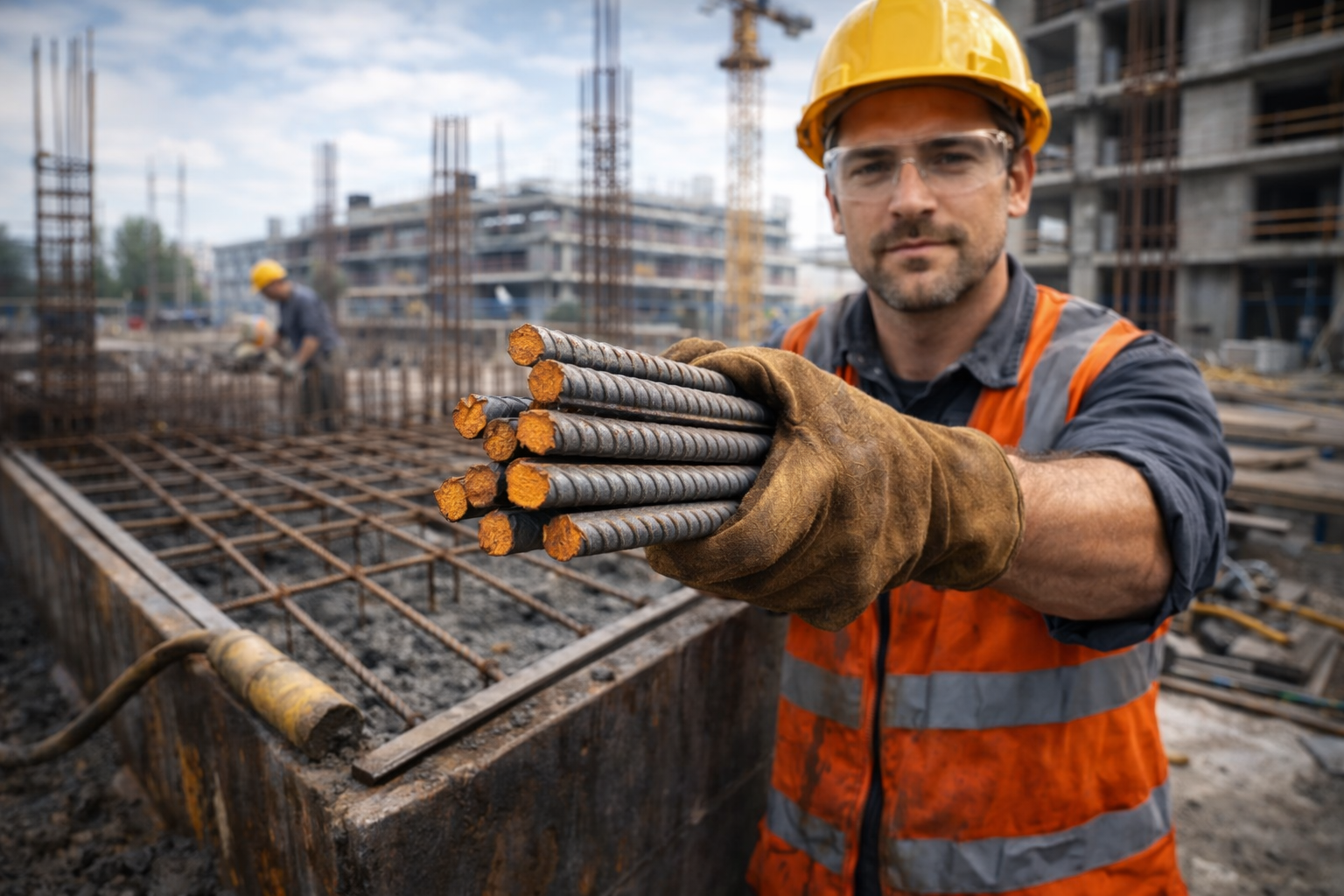
Concrete is exceptionally strong in compression, but it has one major limitation — it’s weak in tension. When exposed to bending, stretching, or shifting forces, unreinforced concrete can crack or fail. That’s why reinforcing bars, commonly known as rebar, are essential in modern construction.
Reinforcing bars dramatically improve the tensile strength, durability, and overall performance of concrete structures. Whether you’re pouring a residential slab or constructing large-scale infrastructure, understanding how rebar works — and how to use it properly — is critical for long-term structural integrity.
This guide explains what reinforcing bars are, why they matter, the different types available, and how they’re used in real-world projects.
What Are Reinforcing Bars?
Reinforcing bars are steel rods embedded within concrete to strengthen it against tensile forces. While concrete resists compression extremely well, it cannot effectively handle pulling or bending forces on its own. Rebar compensates for this weakness.
Most reinforcing bars feature ridges or surface deformations. These patterns improve mechanical bonding between the steel and the surrounding concrete, ensuring both materials work together as a single structural unit.
When properly placed and encased, rebar:
- Absorbs tensile stress
- Controls crack formation
- Distributes loads more evenly
- Increases overall structural stability
Why Reinforcing Bars Are Important
Without reinforcement, concrete structures are far more vulnerable to damage and structural failure.
Concrete can crack or fail under:
- Heavy structural loads
- Temperature expansion and contraction
- Soil settlement or ground movement
- Seismic forces
- Repeated traffic or vibration
Reinforcing bars help by:
- Preventing excessive cracking
- Improving load distribution
- Increasing resistance to bending and shear forces
- Extending the service life of the structure
In many building codes, reinforcement is not optional — it’s mandatory for safety.
Types of Reinforcing Bars
Different projects require different rebar types depending on environmental exposure, load demands, and durability requirements.
1. Mild Steel Rebar (Plain Rebar)
- Smooth surface
- Less common in modern heavy construction
- Typically used in small or temporary projects
Because it lacks surface ribs, it does not bond as strongly as deformed rebar and is generally not used for major structural elements.
2. Deformed Rebar
- Ribbed or textured surface
- Provides superior bonding with concrete
- Most widely used type in construction
Deformed rebar is the standard choice for foundations, beams, slabs, and columns due to its strength and anchoring capability.
3. Epoxy-Coated Rebar
- Coated with protective epoxy layer
- Designed to resist corrosion
- Commonly used in bridges, marine projects, and roadways
While epoxy coating improves rust resistance, the coating must remain intact — damage during handling can reduce protection.
4. Galvanized Rebar
- Zinc-coated for corrosion resistance
- More durable than standard black steel
- Suitable for outdoor and high-moisture environments
Galvanized rebar offers stronger corrosion protection compared to epoxy-coated options in certain applications.
5. Stainless Steel Rebar
- Extremely high corrosion resistance
- Used in marine, coastal, or chemical exposure environments
- Higher upfront cost, but longer service life
Stainless steel reinforcement is often chosen for critical infrastructure where long-term durability outweighs initial material costs.
Common Rebar Sizes
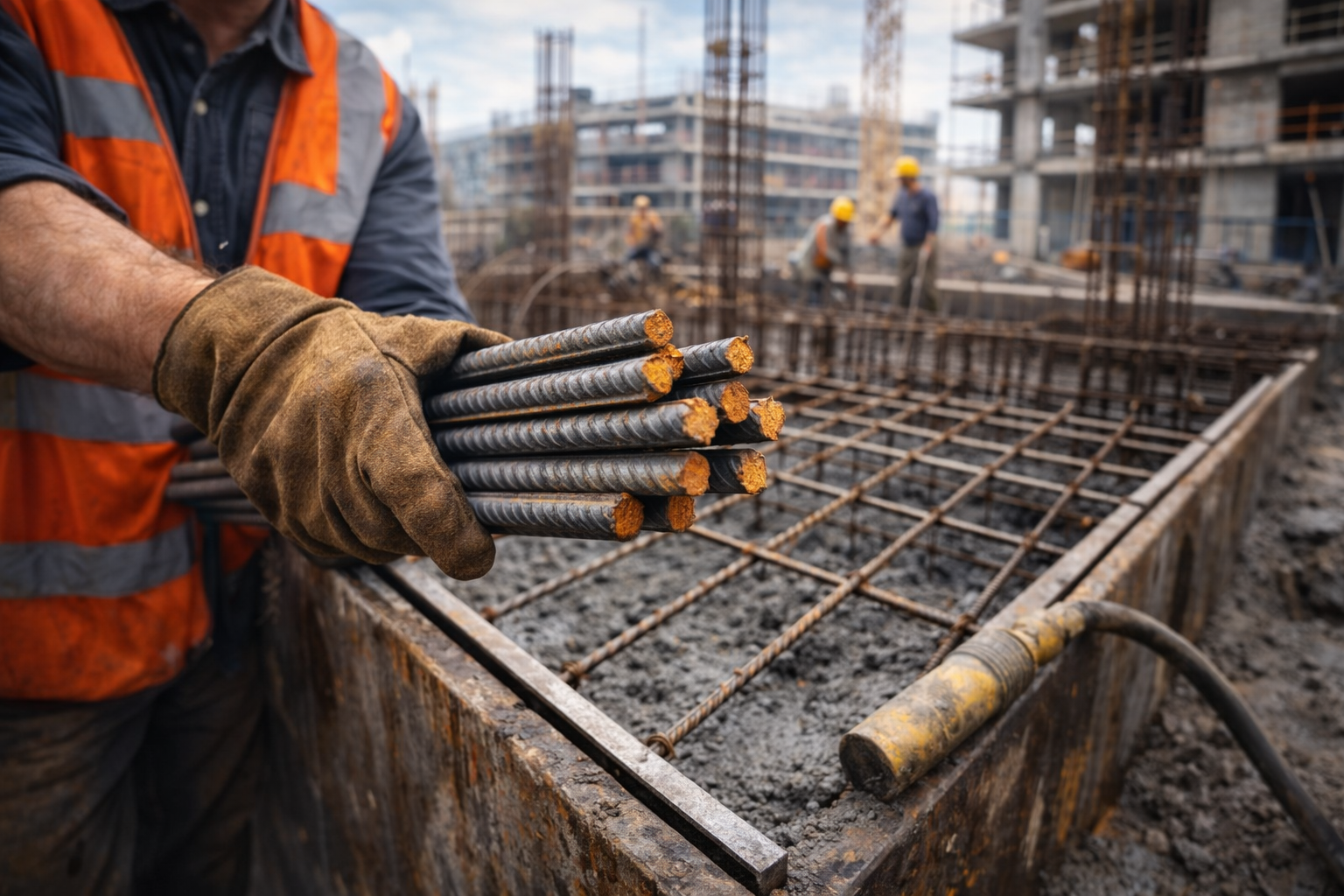
Reinforcing bars come in different diameters to match the strength and load demands of a concrete structure. In general, thicker bars provide higher tensile capacity, but sizing must be determined by structural calculations—not guesswork.
Common rebar sizes include:
- 8 mm
- 10 mm
- 12 mm
- 16 mm
- 20 mm
- 25 mm and above
The correct size depends on factors such as span length, expected loads, slab thickness, and structural design requirements. For load-bearing elements, follow engineering specifications and local code rules.
Where Reinforcing Bars Are Used
Rebar is used anywhere concrete needs added tensile strength and crack control. You’ll commonly see reinforcement in:
- Concrete foundations and footings
- Slabs, pavements, and driveways
- Columns and beams
- Retaining walls
- Bridges and civil infrastructure
- High-rise buildings and structural cores
Rebar placement is critical because reinforced concrete works as a system: concrete carries compression, and steel reinforcement helps resist tension and bending forces.
Best Practices for Using Reinforcing Bars
Using rebar correctly isn’t just about adding steel—it’s about placing, securing, and protecting it so the concrete can perform safely for decades.
1. Follow Structural Design Plans
Always install rebar according to approved engineering drawings and specifications. Even small deviations—like shifting bar locations or changing spacing—can reduce capacity and compromise safety.
Why it matters:
- Incorrect bar placement can reduce strength where tension is highest
- Missing reinforcement can lead to cracking and long-term failure
- Structural elements rely on reinforcement being where the design assumes it is
2. Ensure Proper Spacing
Rebar must be evenly spaced to provide consistent reinforcement throughout the concrete member.
Proper spacing helps:
- Distribute loads effectively
- Reduce weak points
- Improve crack control
- Ensure concrete flows around bars during pouring
Spacing varies based on the structural element, bar size, and code requirements. Too close, and concrete may not consolidate properly; too far apart, and the slab or beam may crack more easily.
3. Maintain Adequate Concrete Cover
Concrete cover is the distance between the rebar and the outer surface of the concrete. This is one of the most important durability factors in reinforced concrete.
Proper cover:
- Protects steel from moisture and oxygen (reducing corrosion risk)
- Improves fire resistance
- Increases long-term durability
If rebar is too close to the surface, corrosion can start sooner, causing cracking and “spalling” as rust expands inside the concrete.
Best practice: Use spacers, chairs, and cover blocks to keep reinforcement at the correct depth—especially in slabs and footings.
4. Tie Rebars Securely
Rebar must stay in position during pouring, vibration, and finishing. Use binding wire to tie intersections so bars don’t shift.
Secure tying helps:
- Maintain correct spacing and alignment
- Prevent bars from floating upward during concrete placement
- Keep lap splices and corners stable
For larger projects, tying patterns and tie strength are often specified. The goal is stability—not over-tying every intersection unnecessarily.
5. Avoid Rusty or Contaminated Rebar
Clean rebar bonds better with concrete. Light surface rust is typically acceptable (and can even improve grip), but heavy corrosion, flaking scale, grease, oil, or mud can reduce bonding and performance.
Before installation:
- Inspect bars for heavy rust or pitting
- Remove oil/grease and caked-on debris
- Store rebar off the ground when possible to reduce contamination
If rust is severe enough to reduce the bar’s diameter or create weak spots, it should be rejected.
6. Overlap Bars Correctly (Lap Splicing)
When a single bar isn’t long enough, reinforcement is extended by overlapping bars—this is called lap splicing. Correct lap length ensures forces transfer safely from one bar to the next through the surrounding concrete.
Lap length depends on:
- Bar diameter
- Concrete strength and mix design
- Location (tension zones often require longer laps)
- Structural design and code requirements
Improper lapping can weaken the structure, especially in areas of high tension such as mid-span slab zones, beam tension faces, or critical column regions.
Best practice: Never “eyeball” lap splices—follow the design plan or code requirement exactly.
Common Mistakes to Avoid
Even high-quality concrete can fail if reinforcing bars are installed incorrectly. Avoiding common errors ensures structural strength, durability, and compliance with building standards.
1. Incorrect Rebar Size Selection
Using bars that are too small—or unnecessarily oversized—can compromise structural performance or increase costs. Rebar diameter and grade must match engineering load calculations and design specifications.
2. Insufficient Concrete Cover
If rebar is placed too close to the surface, moisture and oxygen can reach the steel more easily, leading to corrosion and cracking. Proper concrete cover is critical for durability, fire resistance, and long-term performance.
3. Poor Tying or Unstable Placement
Rebars that shift during concrete pouring can weaken structural integrity. Loose tying, missing chairs, or improper support can cause misalignment and reduce load capacity.
4. Ignoring Corrosion Protection in Harsh Environments
In coastal, marine, or high-moisture areas, untreated steel can corrode faster. Failing to use protective coatings or corrosion-resistant rebar in these conditions can significantly shorten a structure’s lifespan.
5. Not Following Building Codes
Every region has building codes governing rebar spacing, lap lengths, and cover requirements. Ignoring these standards can lead to failed inspections, structural deficiencies, or costly remediation.
These mistakes can result in cracking, premature deterioration, structural instability, or expensive repairs down the line.
Corrosion Protection Tips
Corrosion is one of the biggest threats to reinforced concrete structures. Taking preventative steps during construction greatly extends durability.
To improve corrosion resistance:
- Use epoxy-coated or galvanized rebar in moist or salt-exposed environments
- Ensure proper foundation drainage systems to reduce standing water
- Apply waterproofing membranes where necessary
- Inspect exposed or high-risk structures periodically
Preventive measures during installation are far more cost-effective than repairing corroded reinforcement later.
Safety Considerations
Reinforcing bars are heavy, rigid, and often have sharp edges. Proper safety precautions are essential on-site.
When handling rebar:
- Wear gloves to prevent cuts and abrasions
- Use protective eyewear when cutting or bending
- Secure protruding bars with safety caps
- Follow established site safety protocols
Exposed rebar ends can pose serious hazards if not properly protected.
Final Thoughts
Reinforcing bars are fundamental to modern concrete construction. By selecting the correct type, size, and corrosion protection—and installing them according to engineering standards—you significantly improve the safety, strength, and longevity of your structure.
From residential footings to large-scale commercial builds, proper rebar usage ensures concrete performs as intended under compression and tension.
Strong concrete begins with proper reinforcement.
Source Quality Reinforcing Bars for Your Next Project
If you’re looking for reliable, certified reinforcing bars for construction or infrastructure projects, Super Steel Australia supplies a wide range of rebar sizes and grades to meet industry standards.
Explore product options or request a quote today!