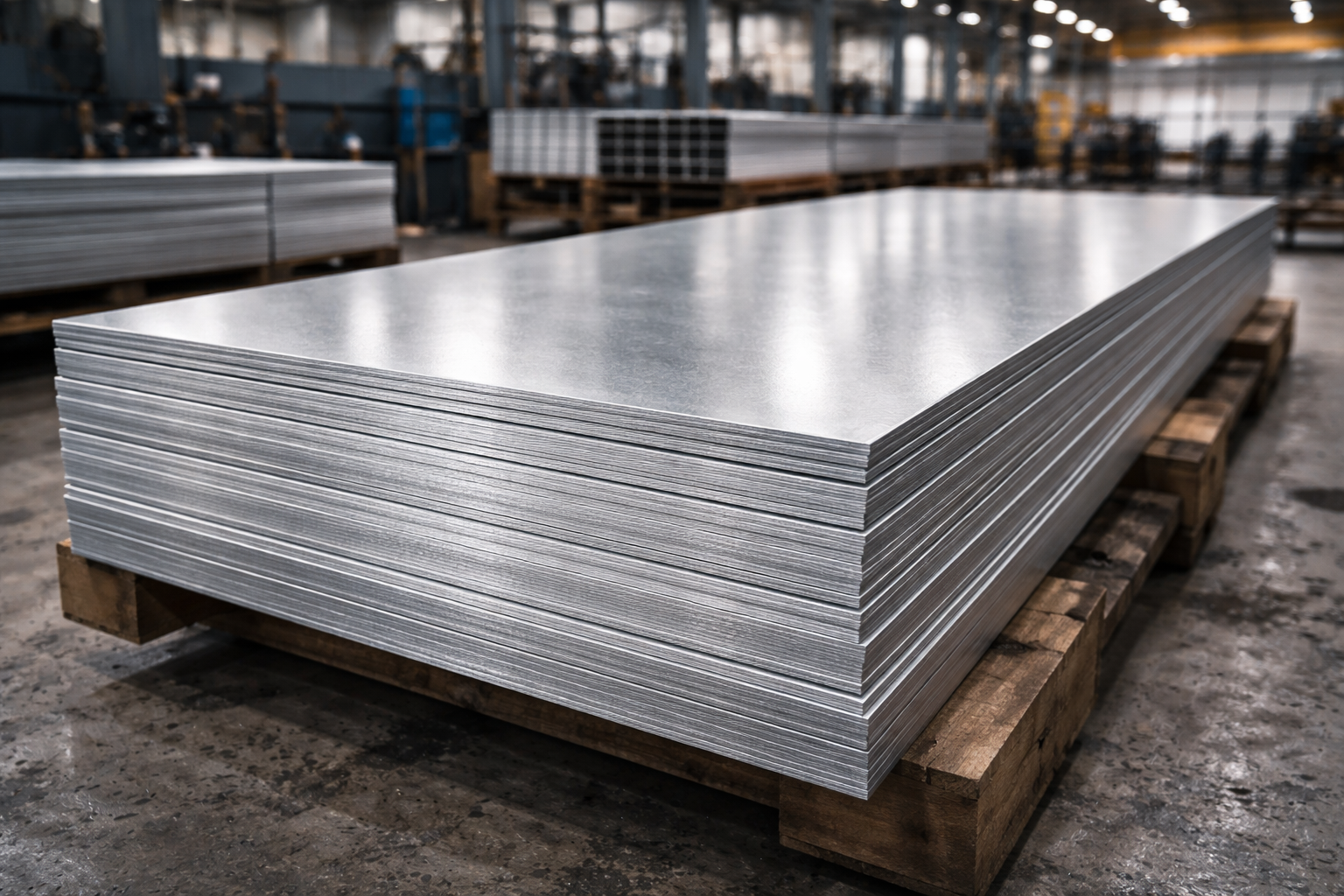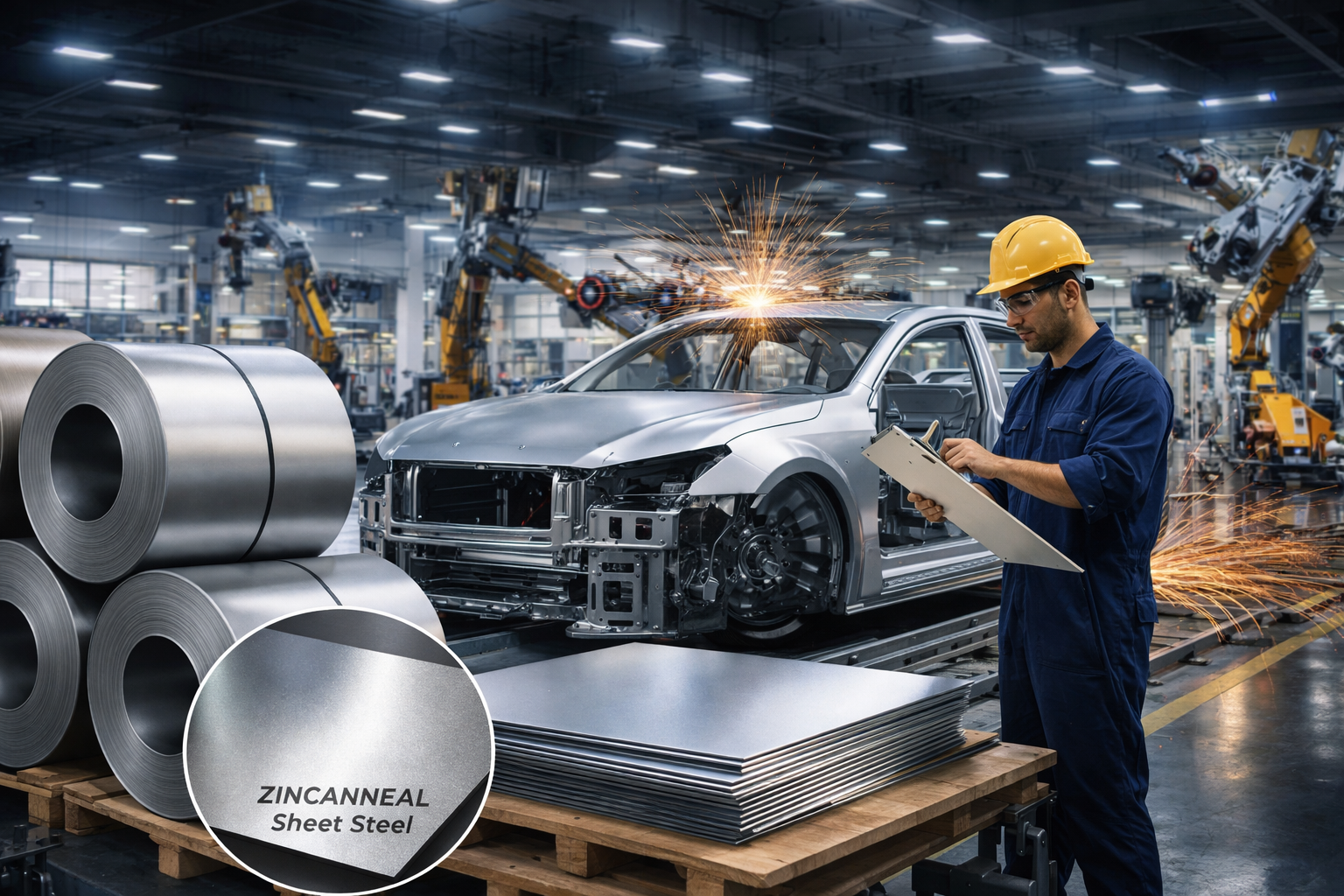
Zincanneal sheet steel is a specialized type of coated steel widely used in industries such as automotive manufacturing, construction, and appliances. It combines the strength and durability of steel with enhanced corrosion resistance and superior surface properties, making it ideal for applications where both performance and finish quality matter.
Because of its unique coating process, zincanneal steel offers better paint adhesion, improved weldability, and a more uniform appearance compared to standard galvanized steel. These qualities make it a preferred material for manufacturers and engineers who require both functionality and aesthetics.
What Is Zincanneal Sheet Steel?
Zincanneal sheet steel—also known as zinc-annealed steel—is a type of steel that has been coated with zinc and then heat-treated through an annealing process. This process transforms the outer layer into a zinc-iron alloy coating that bonds tightly to the steel surface.
Unlike regular galvanized steel, which retains a pure zinc coating, zincanneal steel undergoes additional processing that enhances its mechanical and surface properties.
Key Characteristics of Zincanneal Steel
- Matte grey finish (less reflective than galvanized steel)
- Excellent paint adhesion for coatings and finishes
- Strong corrosion resistance in various environments
- Uniform, smooth surface suitable for precision applications
- Improved weldability compared to standard galvanized coatings
The matte finish and alloy coating make zincanneal steel particularly suitable for painted or coated products, especially in automotive and industrial applications.
How Is Zincanneal Steel Made?
The production of zincanneal sheet steel is a carefully controlled process that combines traditional galvanizing with additional heat treatment. This two-stage method enhances the steel’s durability, surface quality, and overall performance, making it suitable for demanding industrial applications.
1. Hot-Dip Galvanizing
The process begins with hot-dip galvanizing, where clean steel sheets are immersed in a bath of molten zinc at high temperatures (typically around 450°C).
Before dipping, the steel undergoes surface preparation, which includes:
- cleaning to remove dirt, oil, and contaminants
- pickling to eliminate mill scale and oxidation
- fluxing to improve zinc adhesion
Once prepared, the steel is submerged in molten zinc, forming a uniform zinc coating across the entire surface.
This initial coating:
- acts as a protective barrier against moisture and oxygen
- provides sacrificial protection, meaning zinc corrodes before the steel
- ensures full coverage, including edges and corners
At this stage, the material is essentially standard galvanized steel, with a relatively soft and shiny zinc layer.
2. Annealing (Heat Treatment)
After galvanizing, the steel undergoes a second critical step: annealing. The coated steel is reheated in a controlled furnace to a specific temperature, allowing a metallurgical reaction to occur between the zinc coating and the steel substrate.
During this process:
- zinc and iron atoms diffuse into each other
- a zinc-iron alloy layer forms on the surface
- the original pure zinc layer transforms into a more stable, bonded coating
This diffusion process fundamentally changes the properties of the coating.
What Happens During Annealing?
The annealing stage is what distinguishes zincanneal steel from regular galvanized steel. Key transformations include:
- Formation of alloy layers: Instead of a pure zinc coating, multiple zinc-iron phases develop, creating a stronger bond with the steel
- Surface texture change: The shiny finish becomes a matte grey surface, ideal for painting
- Increased hardness: The coating becomes more resistant to abrasion and mechanical damage
- Reduced flaking and peeling: The alloy layer adheres more tightly to the base metal
Final Result: A High-Performance Coated Steel
The combination of galvanizing and annealing produces a material with enhanced properties compared to standard galvanized steel.
The final zincanneal coating offers:
- better adhesion to the steel surface
- improved durability under mechanical stress
- excellent paintability due to its matte texture
- more consistent surface quality for manufacturing processes
Why This Process Matters
The additional annealing step is what gives zincanneal steel its unique advantages. While galvanized steel focuses on corrosion protection through a pure zinc layer, zincanneal steel goes further by creating a metallurgically bonded alloy coating.
This makes it particularly valuable in industries where:
- surface finish and paint quality are critical
- components undergo forming, stamping, or welding
- long-term durability and performance are required

Benefits of Zincanneal Sheet Steel
Zincanneal sheet steel is valued across multiple industries because it offers a strong combination of corrosion resistance, surface quality, and workability. Its zinc-iron alloy coating gives it advantages over standard galvanized steel in applications where painting, welding, and forming are important.
1. Superior Paint Adhesion
One of the biggest advantages of zincanneal sheet steel is its excellent paint adhesion. Its matte, slightly textured surface allows paint and coatings to bond more effectively, often without the extensive surface preparation required for other coated steels.
Why it matters:
This makes zincanneal steel especially suitable for automotive panels, appliance casings, and other products where a smooth, durable painted finish is essential. Better paint adhesion can also improve appearance, reduce peeling, and extend the lifespan of the coating.
2. Enhanced Corrosion Resistance
The zinc-iron alloy layer on zincanneal steel provides strong protection against corrosion. This coating acts as a barrier between the steel and environmental elements such as moisture, oxygen, and pollutants, helping to reduce the risk of rust over time.
Why it matters:
Improved corrosion resistance helps extend the service life of components exposed to damp conditions, changing weather, or industrial environments. This makes zincanneal steel a practical choice for products that need both durability and reliable long-term performance.
3. Excellent Weldability
Compared to standard galvanized steel, zincanneal sheet steel generally offers better weldability. It tends to produce less spatter and fewer fumes during welding, which can make fabrication cleaner and more efficient.
Why it matters:
This helps improve production speed, reduce cleanup time, and support more consistent welding results. In manufacturing environments where welding is a major part of the process, this can lead to both quality and productivity benefits.
4. Improved Formability
Zincanneal steel is also well suited to forming processes such as bending, stamping, pressing, and shaping. Its coating is less brittle than some other zinc-coated materials, which helps it perform well when used for complex parts or detailed component designs.
Why it matters:
Manufacturers can use zincanneal steel for parts that require precise shaping without sacrificing coating performance. This makes it ideal for industries that depend on detailed fabrication and repeatable results.
5. Consistent Surface Quality
Another major benefit of zincanneal steel is its uniform coating and smooth, consistent appearance. This helps create a defect-free surface that performs well in painting, fabrication, and finishing processes.
Why it matters:
A more even surface reduces the need for extra preparation before painting or coating, which can save time and labour during production. It also helps deliver a higher-quality finished product, both visually and functionally.
Common Uses of Zincanneal Steel
Because of its balance of durability, paintability, and formability, zincanneal steel is used in a wide range of industries.
Automotive Industry
Zincanneal steel is widely used in vehicle manufacturing because it provides strong corrosion resistance along with a paint-friendly surface.
Common automotive applications include:
- car body panels
- structural components
- reinforcements and brackets
Its ability to support high-quality finishes while remaining durable makes it especially valuable in automotive production.
Construction
In the construction sector, zincanneal steel is used in applications that require both strength and resistance to environmental exposure.
Common construction uses include:
- roofing and wall panels
- framing components
- structural supports
Its durability makes it suitable for areas exposed to weather, moisture, and long-term wear.
Appliances and Equipment
Zincanneal steel is also commonly used in household and industrial equipment where both appearance and corrosion resistance are important.
Typical examples include:
- washing machines
- refrigerators
- HVAC systems
Its smooth finish and ability to hold paint well make it a reliable material for appliances that need to look good and perform well over time.
General Manufacturing
Beyond automotive and construction, zincanneal steel is widely used in general manufacturing for parts that require a combination of strength, clean finishing, and fabrication flexibility.
Examples include:
- electrical enclosures
- storage systems
- industrial machinery parts
Its versatility makes it suitable for many fabricated metal products across different sectors.
Why Zincanneal Steel Is a Preferred Choice
Zincanneal sheet steel is often chosen when manufacturers need more than just basic corrosion protection. Its combination of excellent paint adhesion, reliable corrosion resistance, weldability, formability, and surface consistency makes it a high-performance option for demanding applications.
For industries where finish quality, durability, and production efficiency all matter, zincanneal steel offers a strong balance of practical and commercial advantages.
Zincanneal vs Galvanized Steel
Both zincanneal and galvanized steel offer corrosion protection, but they differ in surface finish, performance, and ideal use cases. Understanding these differences can help you choose the right material for your specific application.
| Feature | Zincanneal Steel | Galvanized Steel |
|---|---|---|
| Surface Finish | Matte grey | Shiny, spangled |
| Paint Adhesion | Excellent | Moderate |
| Weldability | Better, fewer fumes | Can produce more fumes |
| Coating Type | Zinc-iron alloy | Pure zinc |
| Formability | High | Moderate |
Key Differences Explained
- Surface Finish: Zincanneal steel has a smooth, matte appearance that is ideal for painting, while galvanized steel has a shiny, spangled finish that is often left unpainted.
- Paint Adhesion: Zincanneal provides superior paint bonding, making it the preferred choice for applications requiring high-quality finishes.
- Weldability: Zincanneal steel is easier to weld with less spatter and fumes, improving manufacturing efficiency.
- Coating Performance: The zinc-iron alloy in zincanneal creates a more stable and tightly bonded coating, while galvanized steel offers strong sacrificial protection through its pure zinc layer.
- Formability: Zincanneal is better suited for complex shaping and fabrication processes due to its less brittle coating.
Is Zincanneal Steel Right for You?
Zincanneal sheet steel is an excellent choice if your application requires a balance of durability, surface quality, and workability.
Choose Zincanneal Steel If You Need:
- strong and reliable corrosion protection
- high-quality painted finishes with excellent adhesion
- improved weldability for manufacturing processes
- good formability for bending, stamping, or shaping
Consider Galvanized Steel If:
- the material will be used without paint
- a shiny, decorative finish is preferred
- maximum sacrificial corrosion protection is required in exposed environments
Final Thoughts
Zincanneal sheet steel offers a powerful combination of strength, corrosion resistance, and surface quality. Its zinc-iron alloy coating makes it especially valuable in industries like automotive, construction, and manufacturing, where both performance and finish are critical.
While galvanized steel remains a strong option for exposed or non-painted applications, zincanneal steel stands out when paint adhesion, weldability, and consistent surface finish are priorities.
If you’re looking for a material that balances protection, durability, and ease of fabrication, zincanneal steel is a smart and reliable choice.
Explore High-Quality Zincanneal Steel Solutions
Looking for durable, high-performance zincanneal sheet steel for your next project? Choosing the right material can make a significant difference in both product quality and long-term performance.
Visit https://supersteelaust.com.au/ to explore premium steel solutions and find the right materials for your application.