
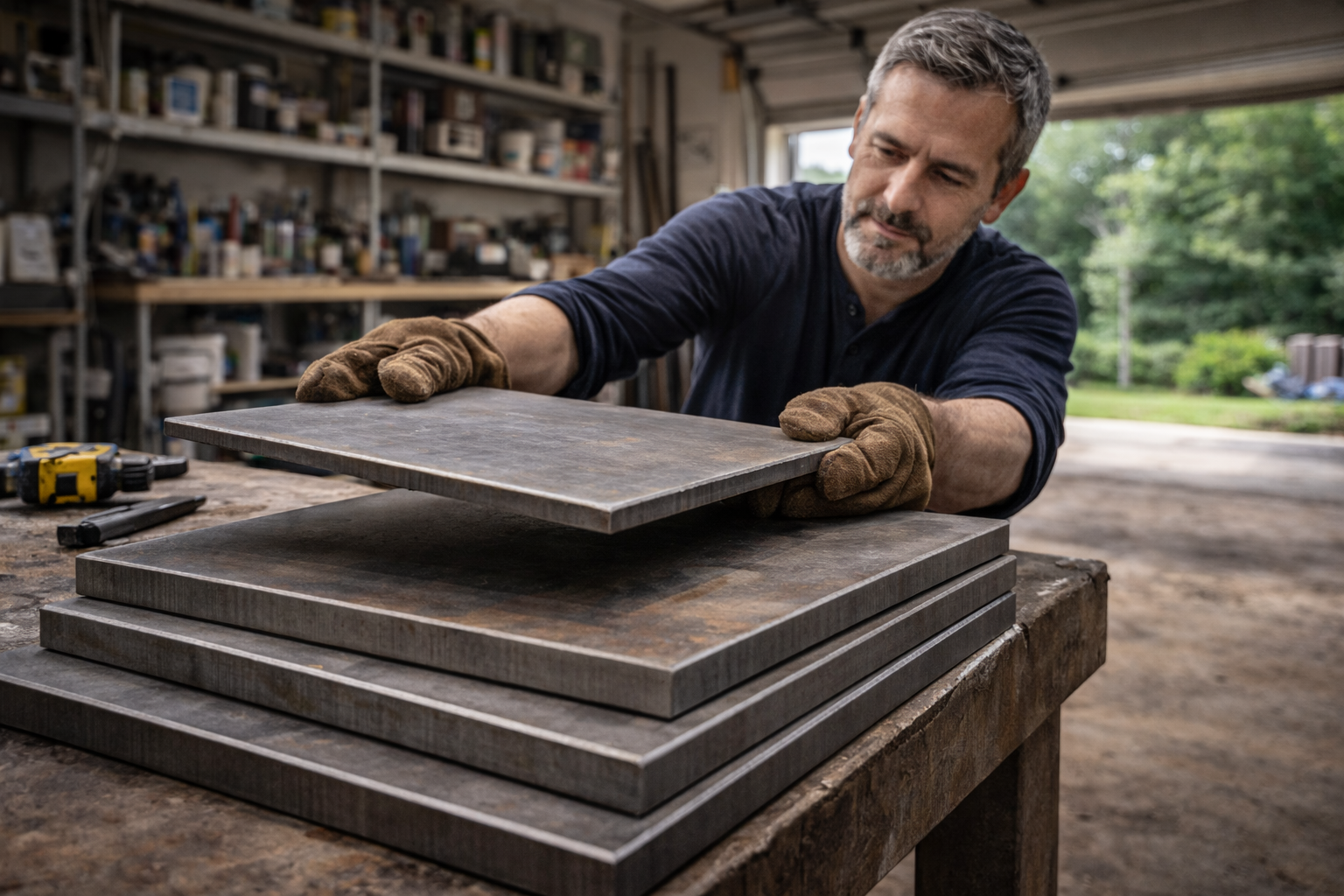
Choosing the right steel plate is essential to ensuring structural integrity, safety, and long-term durability. Whether you’re working on a construction build, heavy fabrication project, industrial installation, or manufacturing process, selecting the correct plate type, grade, and thickness can directly impact performance, compliance, and cost efficiency.
This guide outlines the key factors to consider so you can confidently choose the right steel plate for your application.
What Is a Steel Plate?
A steel plate is a flat, rectangular piece of structural steel typically thicker than 6 mm, though definitions may vary by region. Unlike thin sheet metal, steel plates are designed for heavy-duty use where strength and load capacity are critical.
Steel plates are available in a wide range of grades, thicknesses, surface finishes, and dimensions. They are widely used in structural steel, industrial, and infrastructure projects.
Key Factors to Consider
1. Load Requirements
The first step is determining how much stress or weight the steel plate must support.
- Static loads such as fixed structural supports
- Dynamic loads such as moving machinery, vehicles, or vibration
- Impact resistance from sudden force or heavy drops
Higher load demands generally require thicker plates and higher-strength steel grades. For structural applications, always follow engineering calculations and relevant building requirements.
2. Steel Grade
Steel grade determines strength, flexibility, hardness, and corrosion resistance. Selecting the right grade ensures optimal performance and cost-effectiveness.
Common options include:
- Mild Steel or Carbon Steel – Cost-effective, versatile, and easy to fabricate
- High-Strength Structural Steel – Suitable for heavy load-bearing structures
- Abrasion-Resistant Steel – Designed for high-wear environments such as mining and heavy equipment
- Stainless Steel – Excellent corrosion resistance
- Galvanised Steel – Zinc-coated for rust protection
For a deeper comparison, read our guide to steel grades and how to choose the right material for your project.
3. Thickness
Thickness directly affects load capacity, durability, and overall project cost. Common steel plate thicknesses may range from 6 mm to 50 mm or more, depending on the application.
Thicker plates offer increased strength, but they also add weight, increase material cost, and may require more robust support structures. For structural builds, always follow engineering specifications and applicable building codes.
4. Environmental Conditions
Environmental exposure plays a major role in material selection. Consider whether the plate will be exposed to moisture, humidity, coastal air, chemicals, industrial environments, or extreme temperatures.
In corrosive or high-moisture environments, stainless steel or galvanised plates may be necessary to improve longevity. For outdoor builds, hot-dip galvanised steel is often selected for its protective zinc coating.
5. Fabrication Requirements
If your project involves welding, cutting, bending, or machining, choose a steel plate with good workability. Mild steel and hot rolled steel plates are often preferred for fabrication because they offer strong weldability and ease of forming.
For more fabrication guidance, see our article on hot rolled steel sheets for fabrication and welding.
6. Surface Finish
Steel plates are available in different finishes depending on their manufacturing process and treatment.
- Hot rolled – Slightly rough surface, ideal for structural use
- Cold rolled – Smooth finish with tighter tolerances
- Coated or painted – Added corrosion protection
- Galvanised – Zinc-coated for rust resistance
Surface finish may influence appearance, corrosion resistance, ease of fabrication, and the adhesion of coatings or paint. Select a finish that matches both functional and aesthetic requirements.
Common Applications of Steel Plates
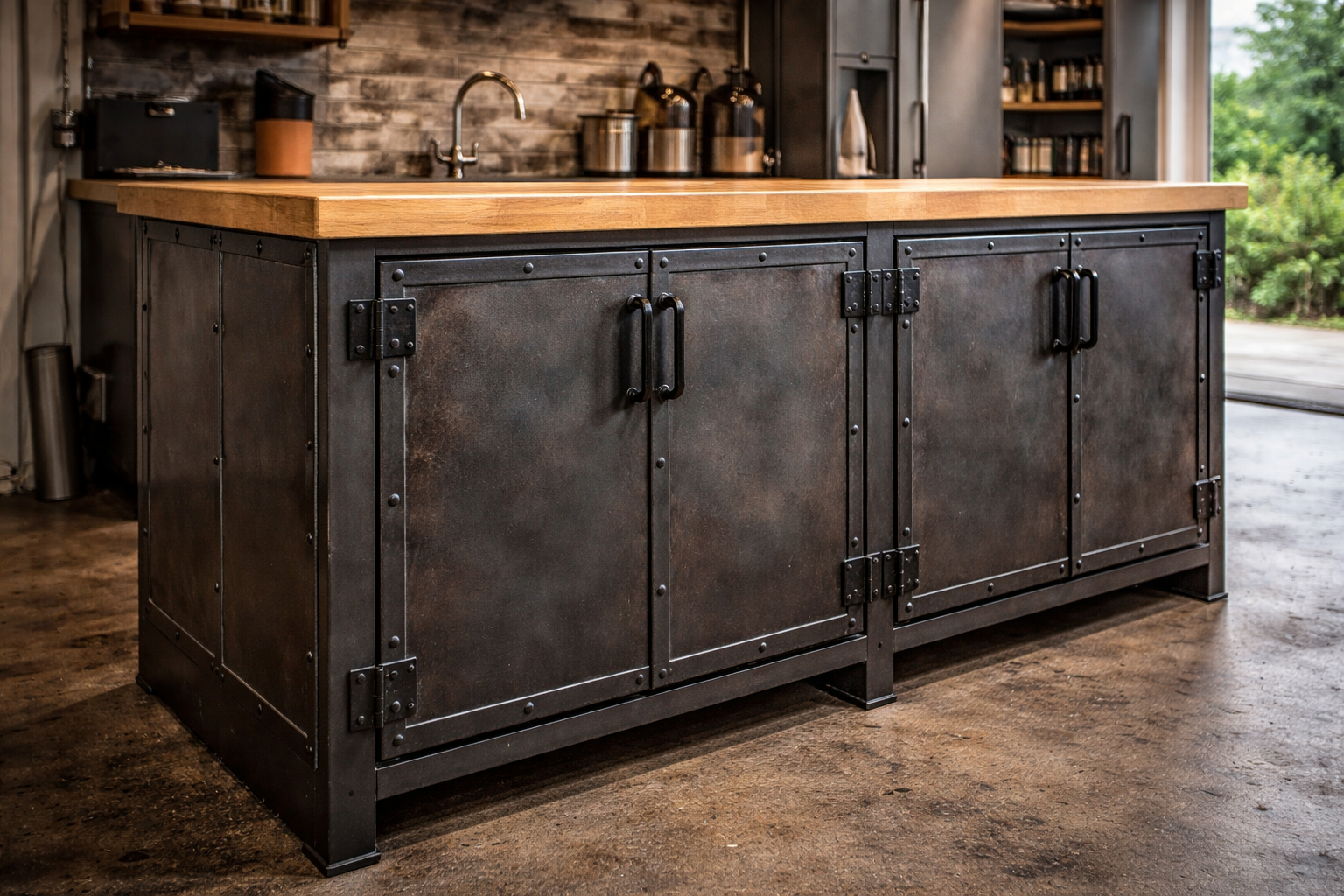
Steel plates are essential across multiple industries because of their strength, thickness, and ability to withstand demanding conditions.
- Structural building foundations
- Bridges and infrastructure components
- Industrial equipment bases
- Shipbuilding and marine structures
- Heavy machinery fabrication
- Storage tanks and pressure vessels
- Floor plates and load-bearing platforms
Each application has different performance requirements, which means selecting the appropriate steel grade and thickness is critical.
Comparing Common Steel Plate Types
Different types of steel plates are designed for specific environments and performance needs.
| Type | Best For | Key Advantage |
|---|---|---|
| Mild Steel Plate | General fabrication | Cost-effective and versatile |
| Stainless Steel Plate | Corrosive environments | Excellent rust resistance |
| Abrasion-Resistant Plate | Mining and heavy wear | Superior durability |
| Galvanised Plate | Outdoor structures | Strong corrosion protection |
Understanding these differences helps narrow down your choice based on environmental exposure, mechanical stress, and long-term maintenance considerations. For broader material comparisons, read our guide to different steel types.
Budget Considerations
Steel plate pricing varies depending on grade, material composition, thickness, weight, dimensions, market conditions, and order quantity.
While higher-grade or specialty plates may cost more initially, they often reduce maintenance, replacement, and repair expenses over time, especially in harsh environments. Learn more about what affects the cost of steel.
Safety and Compliance
When selecting steel plates, safety should always come first. Ensure compliance with local building codes, supplier certification, engineering approval for structural applications, and correct installation procedures.
Using an improperly specified steel plate can lead to structural failure, safety hazards, and costly remediation.
Maintenance and Longevity
Proper maintenance significantly extends the service life of steel plates.
- Apply protective coatings where required
- Inspect regularly for corrosion or wear
- Repair surface damage promptly
- Store unused plates in dry, protected areas
Preventive maintenance protects structural integrity and maximises long-term value. For more detail, see our guide on how long steel lasts.
Final Thoughts
Selecting the right steel plate requires careful evaluation of load demands, environmental exposure, grade specifications, thickness, and fabrication needs. The correct choice ensures structural safety, durability, and cost efficiency throughout the life of your project.
By consulting with engineers and experienced suppliers, you can confidently select a steel plate that aligns with both performance requirements and budget considerations.
The right steel plate is not just about strength. It is about choosing the material that best fits your project’s demands.
Source Quality Steel Plates for Your Project
If you’re looking for reliable steel plates in various grades, sizes, and thicknesses, Super Steel Australia offers dependable supply solutions for construction, fabrication, and industrial applications.
Explore available steel products or request a quote from Super Steel Australia today.