
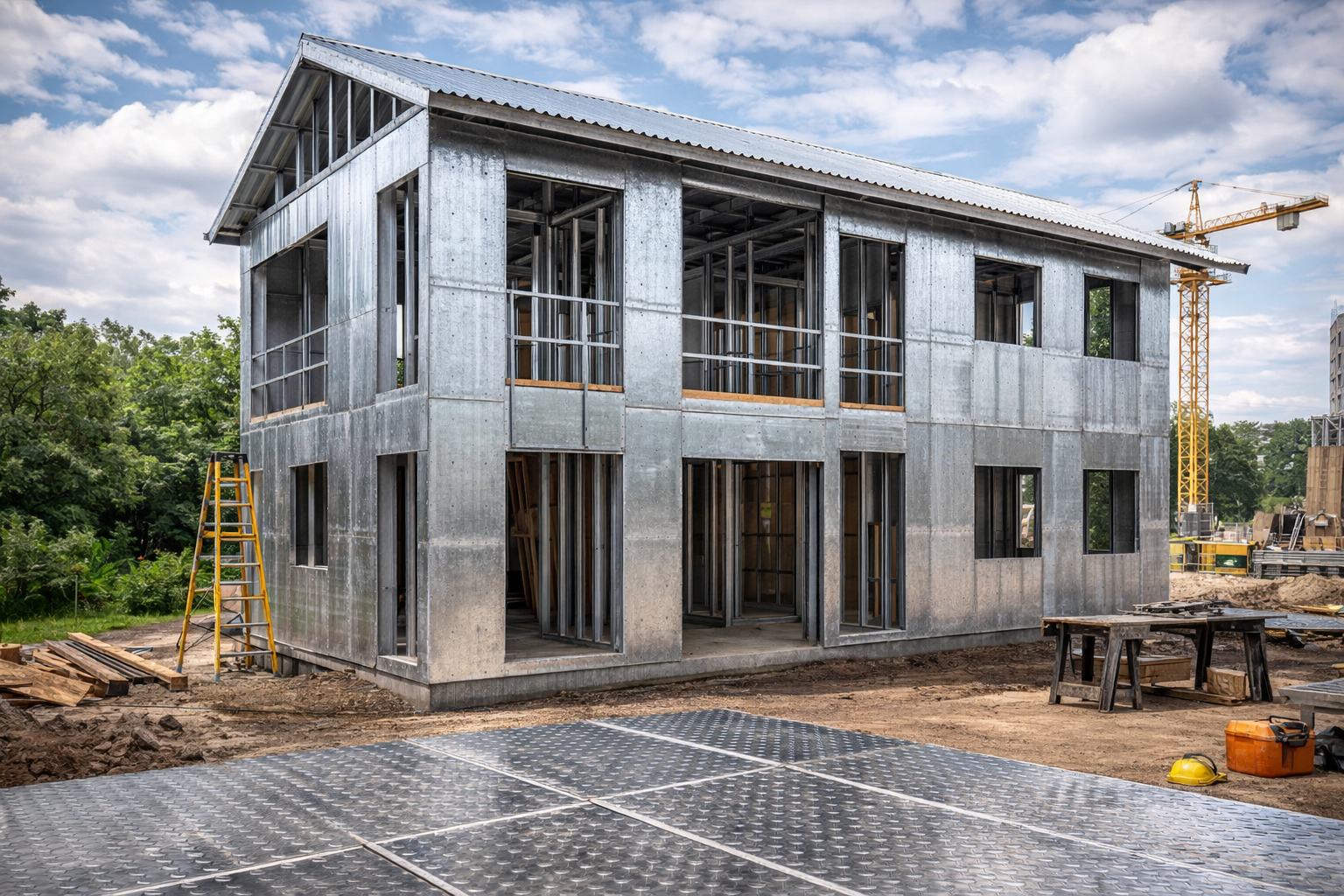
Galvanised steel sheets are one of the most widely used materials in construction, manufacturing, and industrial sectors. Their popularity comes from a simple but powerful advantage: corrosion resistance. By coating carbon steel with a protective layer of zinc, galvanising significantly extends the material’s lifespan, especially in outdoor and moisture-prone environments.
But where exactly are galvanised steel sheets used, and why are they such a preferred choice across industries?
Let’s explore their most common applications and key benefits.
What Are Galvanised Steel Sheets?
Galvanised steel sheets are carbon steel sheets coated with zinc through either:
- Hot-dip galvanising – Steel is immersed in molten zinc, creating a thick, durable coating.
- Electro-galvanising – Zinc is applied using an electrochemical process, resulting in a thinner, smoother finish.
The zinc layer acts as a protective barrier that:
- Prevents corrosion and rust
- Extends service life
- Reduces maintenance requirements
- Improves durability in harsh environments
Even if the surface is scratched, the zinc coating offers sacrificial protection, helping shield the underlying steel. Learn more about how galvanised steel protects against corrosion.
1. Roofing and Wall Cladding
One of the most common uses of galvanised steel sheets is in roofing systems and exterior wall cladding.
Why It’s Used
- Strong resistance to rain, sun, and wind exposure
- Long service life with minimal upkeep
- Lightweight yet structurally strong
- Cost-effective compared to many alternative materials
Galvanised roofing sheets are widely used in residential homes, warehouses, commercial buildings, and industrial facilities. For outdoor projects, read our guide on hot-dip galvanised steel for outdoor builds.
2. Structural Construction
Galvanised steel sheets play an important role in structural systems, especially where corrosion resistance is critical.
Common uses include:
- Structural panels
- Support components
- Industrial sheds
- Steel framing systems
- Purlins and secondary structural members
The zinc coating protects structural elements from moisture and environmental exposure, particularly in humid or coastal regions. They are often used alongside other structural steel products in commercial and industrial construction.
3. HVAC Ducting Systems
Heating, ventilation, and air conditioning (HVAC) systems frequently use galvanised steel sheets for duct fabrication.
Benefits for HVAC
- Corrosion resistance in varying humidity levels
- Smooth internal surface for efficient airflow
- Easy fabrication and forming
- Cost-effective material choice
Galvanised ducting is commonly found in both residential and commercial buildings.
4. Automotive Industry
In the automotive sector, galvanised steel sheets are widely used to enhance durability and reduce corrosion-related damage.
Applications include:
- Car body panels
- Undercarriage components
- Structural reinforcements
- Truck bodies and trailers
The zinc coating helps protect vehicles from rust caused by rain, humidity, and road salt exposure.
5. Agricultural Equipment and Storage
Farming environments expose materials to moisture, soil, and chemicals. Galvanised steel sheets are ideal for these demanding conditions.
Common uses include:
- Grain silos
- Barn structures
- Storage sheds
- Fencing panels
- Livestock enclosures
Their corrosion resistance makes them well suited for long-term outdoor agricultural use. They are also widely specified for rural and agricultural steel projects.
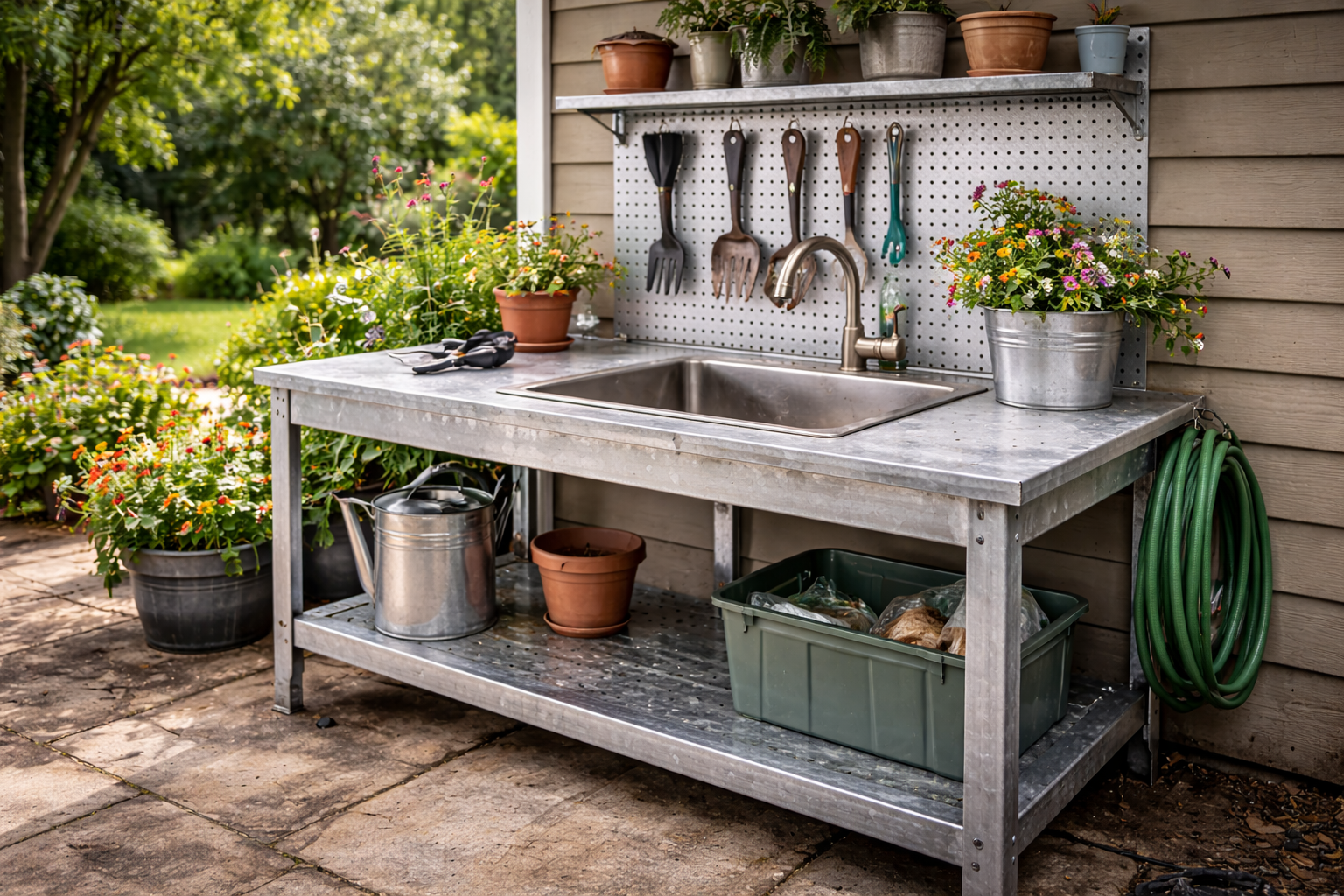
6. Appliances and Household Products
Galvanised steel sheets are also widely used in manufacturing household and commercial appliances.
Examples include:
- Washing machines
- Refrigerators
- Air conditioning units
- Electrical panels and enclosures
The material provides structural strength, corrosion resistance, and a clean, finished appearance.
7. Industrial Fabrication
Fabricators value galvanised steel sheets for their balance of strength and workability.
Common fabrication uses include:
- Equipment cabinets
- Electrical enclosures
- Machinery covers
- Utility boxes
- Control panels
They are relatively easy to cut, bend, and form, making them suitable for custom fabrication projects. If your application requires alternative materials, compare them with other steel types used in fabrication.
8. Drainage and Water Systems
Galvanised steel sheets are widely used in water management systems because they perform reliably under constant moisture exposure.
Common applications include:
- Gutters
- Downspouts
- Water tanks
- Drainage channels and systems
The zinc coating acts as a protective barrier, reducing rust formation even when surfaces are exposed to rain, runoff, or standing water. This makes galvanised steel a practical choice for both residential and commercial drainage solutions.
9. Infrastructure Projects
Large-scale infrastructure projects demand materials that can withstand environmental exposure, impact, and long service cycles.
- Highway guardrails
- Road and safety signboards
- Utility poles and protective casings
- Bridge components and structural panels
Their durability ensures consistent performance with minimal maintenance, even in high-traffic outdoor conditions.
10. Fencing and Security Barriers
Galvanised steel sheets are also a popular choice for fencing and perimeter security applications.
- Boundary walls
- Security panels
- Industrial fencing
- Protective enclosures
The material offers both structural strength and corrosion resistance, making it suitable for long-term outdoor use. For fencing applications, see our guide to the best steel options for farm and rural fencing.
Advantages of Galvanised Steel Sheets
Galvanised steel remains a preferred material across industries due to several practical benefits:
- Excellent corrosion resistance
- Extended service life
- Low maintenance requirements
- Cost-effective performance
- High strength-to-weight ratio
- Ease of fabrication and installation
These characteristics make galvanised steel sheets a reliable solution in environments where durability matters.
Factors to Consider Before Buying
Before selecting galvanised steel sheets, consider:
- Thickness and gauge
- Type of galvanising process
- Environmental exposure
- Required load capacity
- Compliance with Australian standards
Choosing the right specifications ensures structural integrity and long-term performance. You may also find our steel grades guide helpful when selecting the appropriate material.
Maintenance Tips
Although galvanised steel is low maintenance, proper care extends its lifespan even further.
- Inspect periodically for scratches or coating damage.
- Clean surfaces to remove dirt, salt, and debris.
- Repair exposed areas using zinc-rich paint.
- Avoid prolonged exposure to harsh chemicals where possible.
Preventive maintenance helps maintain corrosion resistance and appearance over time. Learn more about what affects steel durability.
Final Thoughts
Galvanised steel sheets are a versatile, durable, and cost-effective material used across construction, automotive, agriculture, manufacturing, and infrastructure sectors. Their corrosion-resistant properties make them especially valuable in outdoor and moisture-prone environments.
Whether you’re installing roofing, fabricating equipment, building water systems, or developing infrastructure, galvanised steel sheets provide dependable long-term performance.
Strong, reliable, and built to last, galvanised steel continues to be one of the most trusted materials for modern construction and fabrication.
Source Quality Galvanised Steel Sheets for Your Project
If you’re looking for reliable galvanised steel sheets in various gauges and specifications, Super Steel Australia supplies quality steel products for construction, fabrication, manufacturing, and industrial applications.
Explore our full range of hot-dip galvanised steel products or contact Super Steel Australia for expert advice and a competitive quote.