
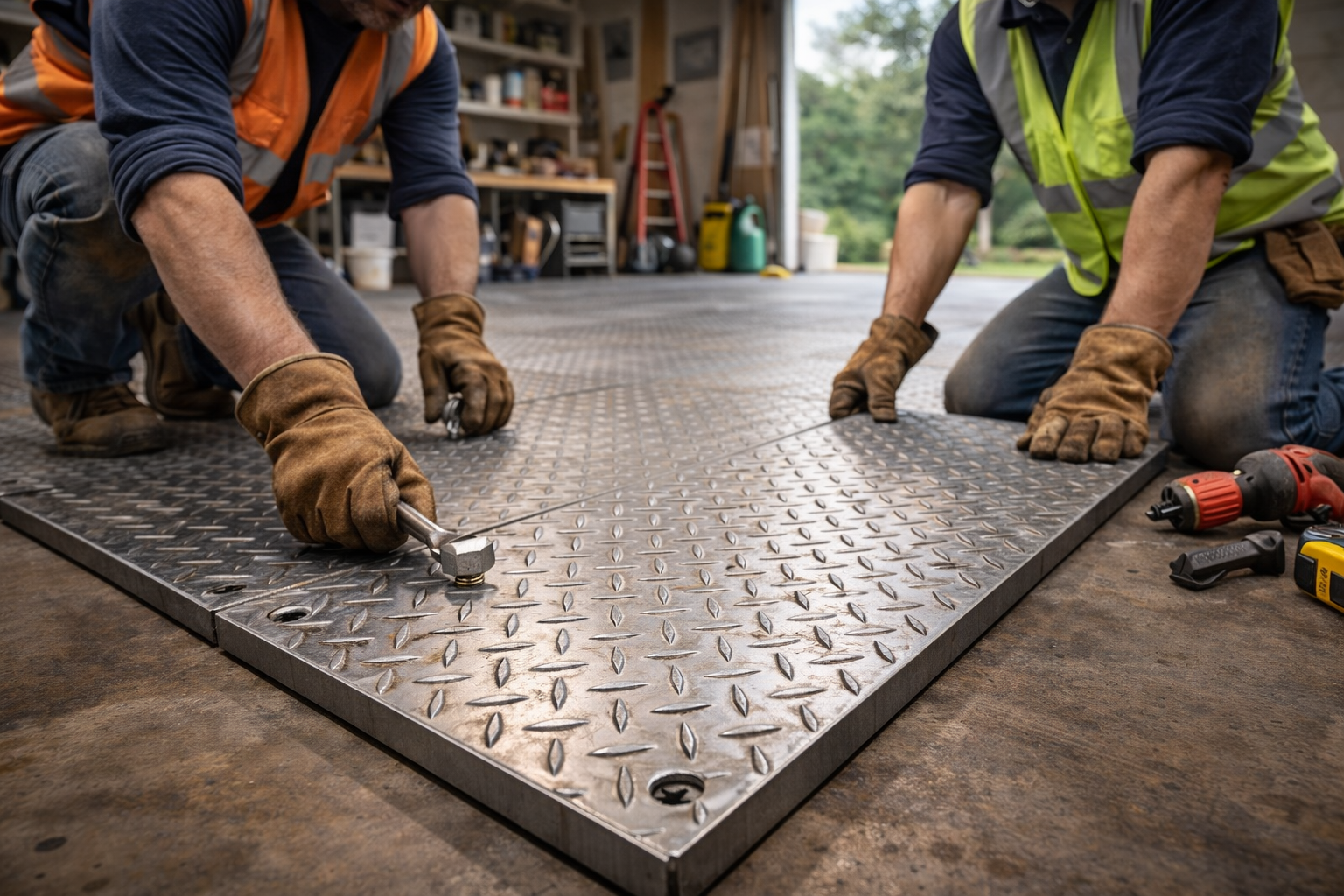
Floor plates are heavy-duty steel sheets engineered to handle high loads, harsh environments, and constant use. Designed for strength, traction, and durability, they are commonly installed in industrial facilities, commercial buildings, and infrastructure projects where safety and long-term performance are essential.
If your project requires a durable flooring solution that resists wear and impact, steel floor plates are a practical choice. Explore Super Steel Australia’s range of steel products for construction, fabrication, and industrial applications.
What Are Floor Plates?
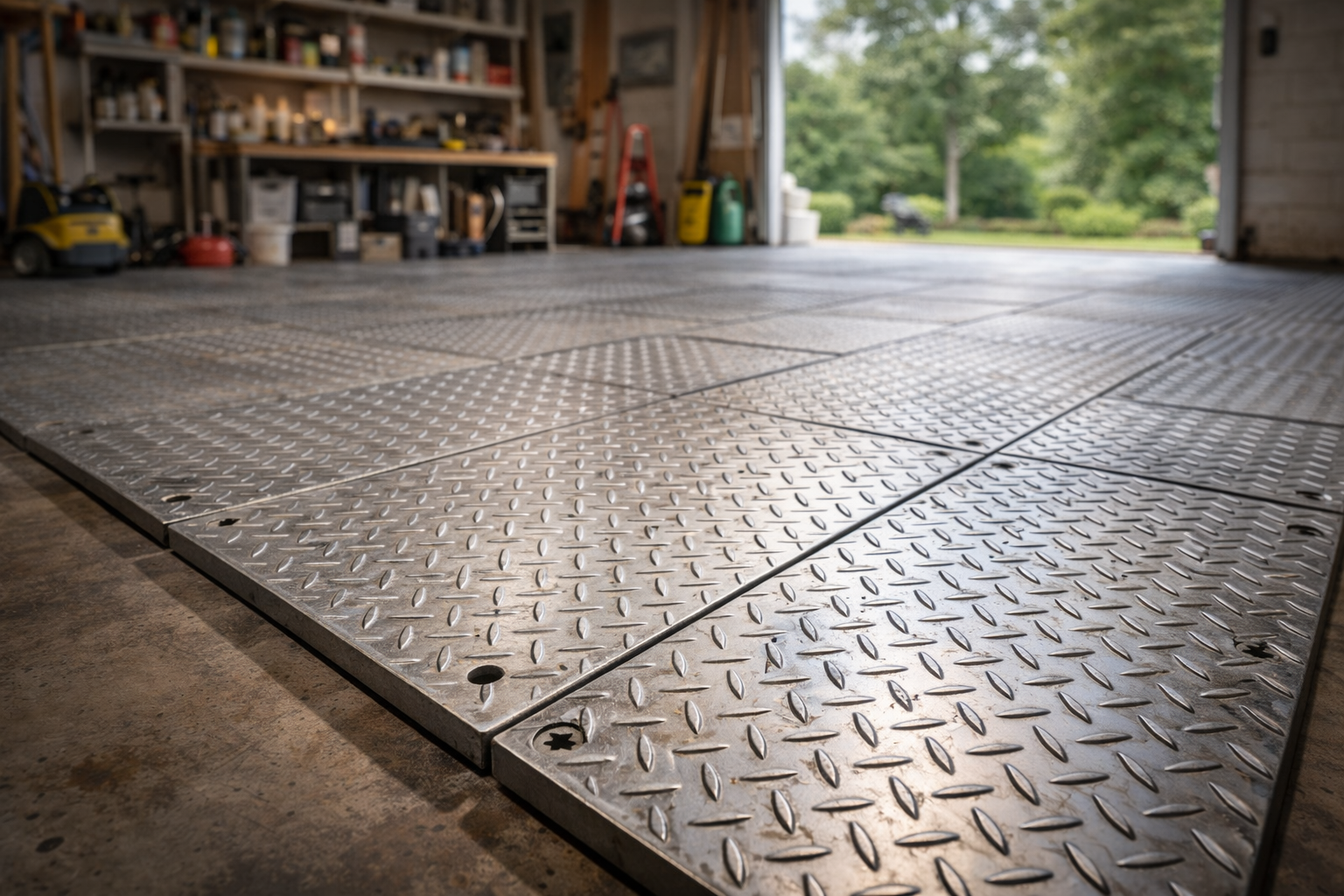
Floor plates are thick steel sheets that feature a raised surface pattern—most commonly diamond or chequer designs. This textured finish improves traction and helps reduce slip hazards in environments exposed to moisture, oil, or heavy pedestrian traffic.
Floor plates are also commonly referred to as:
- Chequered plates
- Diamond plates
- Tread plates
Manufactured primarily through hot rolling, floor plates are available in various thicknesses, grades, and finishes to suit industrial and structural requirements. If you’re comparing steel materials, this guide to different steel types for your projects provides a useful overview.
Key Features of Steel Floor Plates
Steel floor plates are engineered for demanding environments and offer several important advantages:
- High load-bearing capacity for machinery and heavy equipment
- Slip-resistant surface created by raised tread patterns
- Excellent impact resistance against dropped tools and equipment
- Long service life under continuous use
- Low maintenance requirements
- Available in multiple thicknesses for varying structural demands
These qualities make floor plates a dependable solution for industrial flooring, access platforms, ramps, and service walkways.
Common Applications
Because of their durability and slip-resistant surface, steel floor plates are widely used across numerous industries.
Industrial Facilities
Common applications include:
- Factory floors
- Mezzanine platforms
- Equipment walkways
- Maintenance access areas
Their ability to support heavy loads while maintaining safe footing makes them well suited for industrial environments.
Commercial Buildings
- Parking garages
- Stair treads
- Service ramps
- Utility corridors
Floor plates provide long-term durability in high-traffic commercial settings.
Transportation & Infrastructure
- Truck beds
- Loading docks
- Railway platforms
- Ship decks
The raised tread improves traction while the steel construction withstands heavy loading, vibration, and impact.
Construction Projects
- Temporary site flooring
- Scaffolding platforms
- Access walkways
Floor plates create stable working surfaces in demanding construction environments.
Types of Floor Plates
Floor plates are available in several material options depending on loading requirements, environmental exposure, and corrosion resistance.
1. Mild Steel Floor Plates
Mild steel floor plates are the most common option for indoor industrial and commercial environments. They are strong, economical, and easy to weld or fabricate.
If you’re comparing material grades, read our guide on mild steel vs carbon steel.
2. Galvanised Floor Plates
Galvanised floor plates feature a protective zinc coating that improves corrosion resistance, making them ideal for outdoor applications, loading docks, ramps, and exposed platforms.
Learn more about hot dip galvanised steel and the benefits of galvanised steel for outdoor projects.
3. Stainless Steel Floor Plates
Stainless steel floor plates provide excellent corrosion resistance for marine, food processing, chemical, and hygienic environments where moisture exposure is common.
4. Aluminium Floor Plates
Aluminium tread plates offer a lightweight alternative while still providing good durability and corrosion resistance. They are frequently used in transport applications where weight reduction is important.
Advantages of Using Floor Plates
Exceptional Durability
Floor plates withstand heavy machinery, vehicle traffic, and constant use without significant deformation.
Enhanced Safety
The raised tread pattern improves grip and helps reduce slip risks in wet or oily environments.
Low Maintenance
Floor plates are easy to clean and designed to withstand harsh industrial conditions.
High Strength-to-Weight Ratio
They provide substantial structural support while remaining practical to fabricate and install.
Versatile Installation
Floor plates can be welded, bolted, or mechanically fastened to steel frameworks depending on project requirements.
How to Choose the Right Floor Plate
Before selecting a floor plate, consider:
- Expected load capacity
- Required plate thickness
- Slip resistance requirements
- Indoor or outdoor exposure
- Corrosion protection requirements
- Compliance with applicable engineering standards
For heavy-duty industrial flooring, thicker plates generally provide better resistance to flexing under load.
Standard Sizes and Thicknesses
- Thickness: Typically 3 mm to 12 mm or more
- Width: Usually 1,000 mm to 1,500 mm
- Length: Commonly 2,000 mm to 6,000 mm
Many suppliers also offer custom cutting services for project-specific dimensions.
Corrosion Protection and Maintenance
To maximise service life, floor plates should be protected according to their operating environment.
- Apply protective coatings where required
- Select galvanised or stainless steel for corrosive environments
- Inspect regularly for wear, rust, or damage
- Remove standing moisture, dirt, and chemicals promptly
Routine maintenance helps extend service life. Learn more about the factors that affect steel durability.
Cost Considerations
The price of steel floor plates depends on:
- Material type
- Plate thickness
- Surface pattern
- Steel market pricing
- Order quantity
If you’re budgeting a project, our steel pricing guide explains the major factors that influence steel costs.
Final Thoughts
Steel floor plates remain one of the most dependable flooring solutions for industrial, commercial, and infrastructure applications. Their strength, durability, and slip-resistant surface help improve both safety and long-term performance.
Selecting the appropriate material, thickness, and protective finish ensures your flooring performs reliably for years, even in demanding environments.
Source Quality Floor Plates for Your Project
Super Steel Australia supplies quality steel products for construction, fabrication, and industrial projects. Along with floor plates, we offer a wide selection of merchant bars, hot dip galvanised steel, and other structural steel products to suit a broad range of applications.