
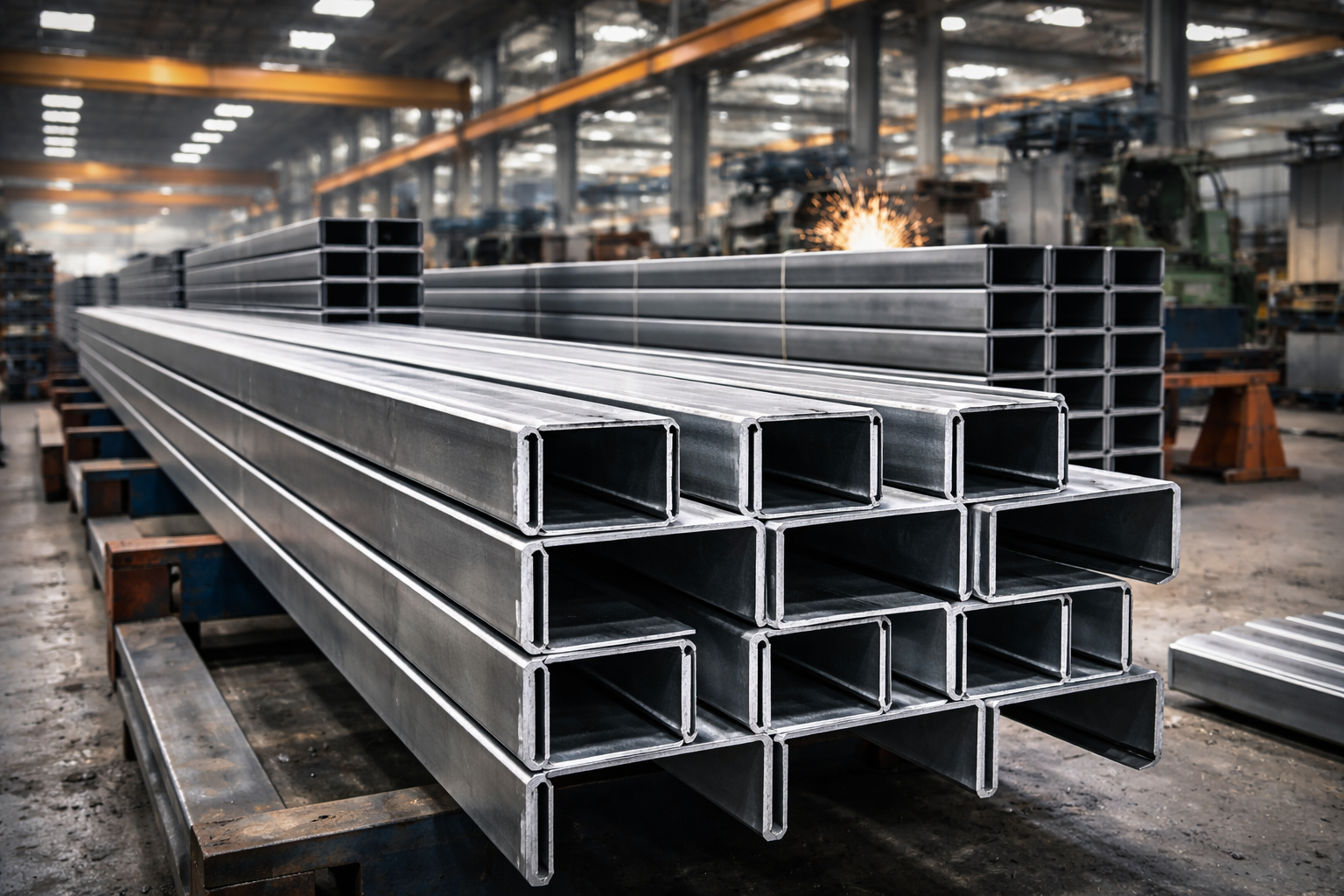
PFC channel steel, also known as Parallel Flange Channel, is a widely used structural steel section in construction, manufacturing, and engineering projects. Known for its distinctive C-shaped profile, PFC channel is valued for its strength, versatility, and ease of fabrication, making it a practical choice for a wide range of structural and support applications.
Because of its efficient shape and reliable load-bearing performance, PFC channel steel is commonly used in building frameworks, support structures, lintels, trailers, machinery, and industrial fabrication. Its design allows for easier connection, welding, and bolting compared to some traditional channel sections, which is why it remains a popular option in modern steel construction.
What Is PFC Channel Steel?
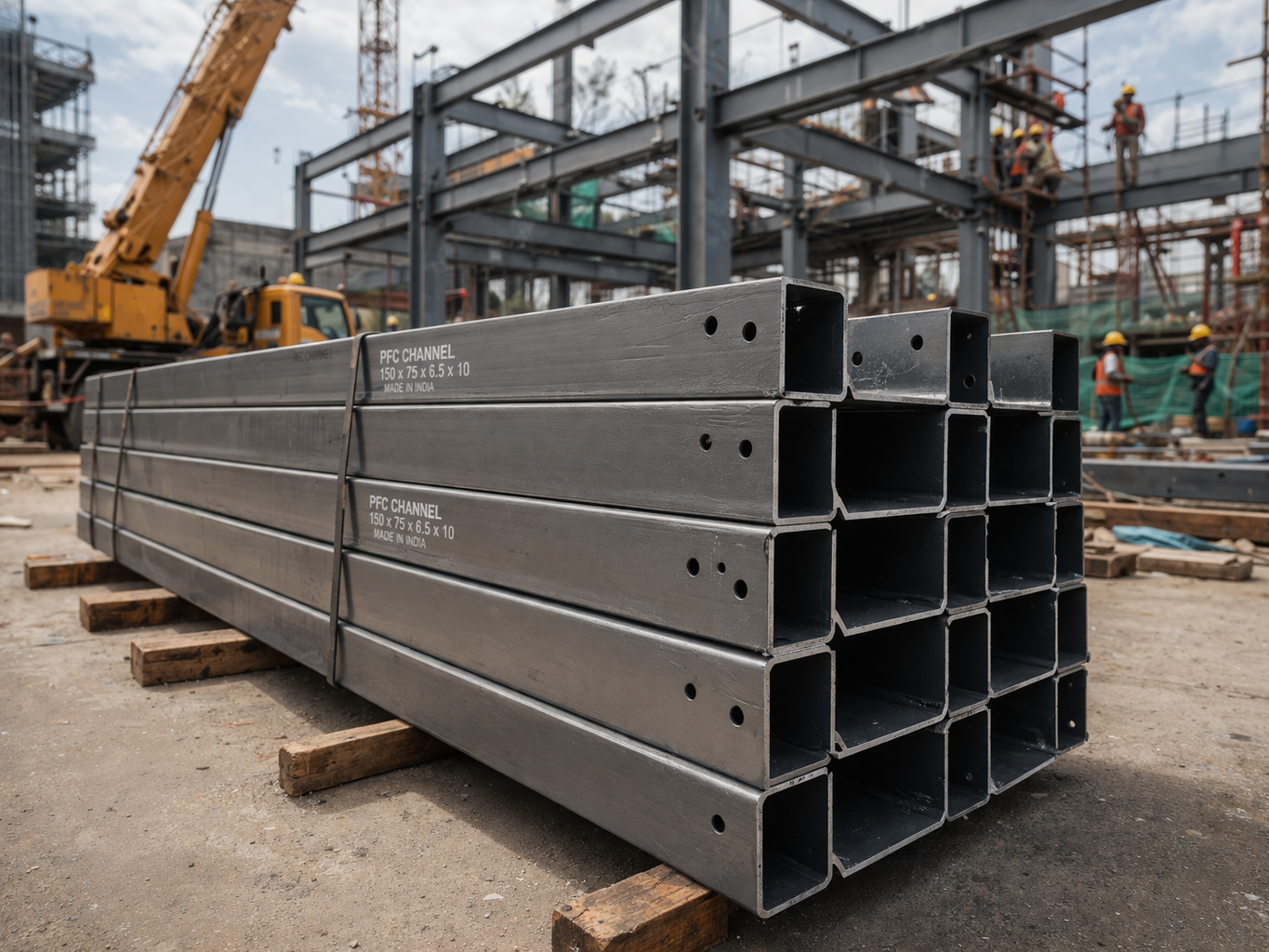
PFC stands for Parallel Flange Channel. It is a structural steel member shaped like the letter C, consisting of a vertical central section known as the web, with two horizontal sections called flanges extending from each side.
A PFC channel is defined by:
- Two parallel flanges
- A vertical web connecting the flanges
- Consistent flange thickness for easier fabrication and connection
Unlike older or traditional channel profiles that may have tapered flanges, PFC channels are manufactured with parallel flanges, which provide a more uniform shape. This design makes them easier to work with in fabrication, particularly when welding, bolting, and aligning them with other steel components.
Why PFC Channel Steel Is Popular
PFC channel steel is widely used because it offers a strong combination of structural efficiency and practical workability. It is capable of supporting loads while remaining relatively economical and easy to install.
Its shape allows it to function well in both horizontal and vertical applications, which makes it suitable for:
- Framing and bracing
- Structural supports
- Edge beams and lintels
- Floor and roof supports
- Machinery bases and fabricated steel components
This flexibility is one of the main reasons PFC channels are used across multiple industries.
Key Features of PFC Channel Steel
High Strength-to-Weight Ratio
One of the biggest advantages of PFC channel steel is its high strength relative to its weight. It provides solid structural support without using unnecessary material, which can help improve design efficiency and reduce overall steel weight in some applications.
Uniform Shape for Easier Fabrication
The parallel flange design gives PFC channels a consistent profile, making them easier to cut, drill, weld, and bolt. This uniformity simplifies fabrication and helps improve accuracy during assembly and installation.
Available in a Range of Sizes and Thicknesses
PFC channels are manufactured in various dimensions to suit different structural and fabrication requirements. This range of sizes allows engineers, builders, and fabricators to select the right section based on load demands, span requirements, and project specifications.
Suitable for Welding, Bolting, and Machining
Because of their shape and consistent flange geometry, PFC channels are well suited to a variety of fabrication methods. They can be welded into frames, bolted into structural assemblies, or machined for custom industrial uses.
Can Be Galvanised for Corrosion Resistance
PFC channel steel can be supplied in standard black steel or treated with galvanising for improved corrosion protection. Hot-dip galvanised steel is especially useful in outdoor, exposed, or high-moisture environments where rust resistance is important.
Common Uses of PFC Channel Steel
PFC channel steel is widely used across construction, infrastructure, manufacturing, and general steel fabrication because of its strength, versatility, and ease of installation. Its parallel flange design makes it practical for both load-bearing and support applications, whether in large industrial projects or smaller residential builds.
Construction and Structural Frameworks
PFC channels are commonly used in construction where reliable support is needed without adding unnecessary bulk. Their strength-to-weight performance makes them suitable for a variety of framing and structural roles.
Common uses include:
- Floor beams and joists
- Wall supports
- Roof framing systems
- Lintels and structural openings
- Secondary support members
Because PFC channels provide strong support while remaining relatively efficient in weight, they are often chosen for projects that require both structural reliability and fabrication flexibility. For related guidance, read our beginner guide to structural steel.
Infrastructure Projects
In infrastructure and public works, PFC channel steel is often selected for applications that require durability, stability, and dependable load support. Its shape makes it suitable for both structural and protective installations.
Typical infrastructure uses include:
- Bridges and walkways
- Access platforms
- Staircases and stair supports
- Railings and barriers
- Service platforms and maintenance structures
Its ability to perform well in load-bearing roles makes it a practical choice for civil and infrastructure projects where long-term structural performance is important.
Industrial and Manufacturing Applications
PFC channels are also widely used in industrial settings because they offer the strength needed for heavy-duty environments while remaining easy to fabricate and install.
Common industrial applications include:
- Equipment and machinery frames
- Truck and trailer chassis
- Conveyor systems
- Storage and racking structures
- Fabricated steel supports
In these environments, PFC channels help provide the structural integrity and durability needed to support moving equipment, machinery loads, and demanding operating conditions.
Residential and Commercial Builds
PFC channel steel is popular in both residential and commercial construction because it can be used in projects of many sizes. From smaller structures to larger building frameworks, it offers a practical combination of strength and ease of handling.
Common examples include:
- Carports and sheds
- Mezzanine floors
- Garage structures
- Awnings and covered areas
- Internal support frames
This makes PFC channels a useful option for builders, fabricators, and property owners looking for dependable structural steel for both light and medium-duty applications.
Benefits of PFC Channel Steel
PFC channel steel offers several important advantages that make it a preferred structural steel section in many projects.
1. Structural Strength
PFC channels are designed to handle substantial loads, making them suitable for both vertical and horizontal support roles. Their C-shaped profile provides reliable performance in framing, bracing, and beam applications where strength is essential.
Why it matters: This makes PFC channel steel suitable for a wide variety of load-bearing tasks across construction, engineering, and manufacturing.
2. Ease of Fabrication
One of the main benefits of PFC channel steel is how easy it is to work with. The parallel flange design creates a more uniform shape, which simplifies fabrication and installation.
This allows for:
- Simpler connections
- Easier welding and drilling
- Faster installation
- Better alignment with plates and brackets
Why it matters: Easier fabrication can reduce labour time, improve installation efficiency, and support more accurate assembly on site or in the workshop.
3. Versatility
PFC channels can be used in an exceptionally wide range of structural and fabrication applications. They are suitable for everything from light framing to heavier support roles, depending on the section size and project requirements.
Why it matters: This versatility makes PFC channel steel a practical solution for builders, engineers, and fabricators working across multiple industries.
4. Cost-Effective Performance
PFC channel steel is often seen as a cost-effective structural material because it balances strength, availability, and fabrication efficiency.
Key cost benefits include:
- Efficient use of material
- Reduced waste during fabrication
- Lower labour costs due to easier handling and installation
- Suitability for a wide range of projects without overengineering
Why it matters: For many projects, PFC channels provide the required performance without the added cost of heavier or more complex steel sections. You can also read more about what affects the cost of steel.
5. Corrosion Resistance When Treated
When galvanised or coated, PFC channel steel can offer strong resistance to rust and environmental wear. This makes it suitable for outdoor, exposed, or high-moisture environments where untreated steel may deteriorate more quickly.
Why it matters: Treated PFC channels are well suited to applications in coastal areas, outdoor structures, industrial sites, and other environments where corrosion protection is important.
PFC Channel vs Other Steel Sections
Choosing the right steel section depends on the type of load, fabrication requirements, and intended application. PFC channel steel is often compared with universal beams and angle steel because each serves a different structural purpose.
| Feature | PFC Channel | I-Beam / Universal Beam | Angle Steel |
|---|---|---|---|
| Shape | C-shaped | I-shaped | L-shaped |
| Best Use | Framing and supports | Heavy load-bearing beams | Bracing and light support |
| Fabrication | Easy | Moderate | Easy |
| Load Capacity | Medium to high | Very high | Low to medium |
How They Compare
PFC Channel Steel
Best for framing, support members, lintels, and fabricated structures where ease of connection and versatility are important.
I-Beams or Universal Beams
Best for major structural applications where very high load-bearing capacity is needed, such as primary beams in large buildings and heavy construction. Learn more about how to choose universal beams.
Angle Steel
Best for bracing, framing, edge support, and lighter structural roles where a simpler and smaller section is sufficient. For comparison, see our guide to equal angle steel.
Key Takeaway
PFC channel steel sits in a useful middle ground. It offers more structural capacity than angle steel, while being easier to fabricate and often more practical than heavier universal beams for many support and framing applications.
Why PFC Channel Steel Is a Practical Choice
PFC channel steel remains a popular option because it combines structural strength, fabrication efficiency, and versatility in one section. It is suitable for everything from industrial frameworks and infrastructure to residential steelwork and general fabrication.
For projects that require dependable support without the extra weight or complexity of heavier beam sections, PFC channel steel is often a smart and economical choice.
Choosing the Right PFC Channel Steel
Selecting the right PFC channel steel for your project is essential to ensure safety, performance, and cost efficiency. While PFC channels are versatile, choosing the correct size, thickness, and finish depends on several key factors.
Key Factors to Consider
Load Requirements
Understanding the load the steel will need to support is critical. This includes both static loads and dynamic loads. Heavier loads will require larger or thicker PFC sections to maintain structural integrity.
Span Length
The distance the channel needs to cover without support will influence the size and strength required. Longer spans typically require stronger sections to prevent bending or deflection.
Environmental Conditions
Where the steel will be used plays a major role in material selection. Exposure to moisture, salt air, chemicals, or extreme weather can accelerate corrosion if the steel is not properly protected.
Coating and Finish
For outdoor or exposed applications, choosing a protective finish is essential. Options include:
- Galvanised PFC channel for corrosion resistance
- Painted or coated steel for additional protection and appearance
- Black steel for indoor or low-exposure environments
Selecting the right coating helps extend the lifespan of the material and reduce maintenance costs over time. For more guidance, read about how long steel lasts.
Why Professional Advice Matters
For structural or load-bearing applications, it is always recommended to consult a structural engineer or qualified professional. They can calculate load requirements accurately, recommend the correct PFC size and grade, ensure compliance with building codes and safety standards, and help avoid over- or under-specifying materials.
This step is especially important in construction, infrastructure, and heavy-duty engineering projects where safety is critical.
Final Thoughts
PFC channel steel is a practical, reliable, and widely used structural material across construction, engineering, and manufacturing industries. Its combination of strength, versatility, and ease of fabrication makes it a go-to choice for a wide range of applications, from small residential builds to large-scale infrastructure projects.
Whether you’re constructing a building, fabricating machinery, or working on structural frameworks, PFC channels provide a dependable solution that balances performance, efficiency, and cost.
Choosing the right specification and maintaining proper protection ensures you get the most out of this versatile steel section.
Find the Right PFC Channel Steel for Your Project
Looking for high-quality PFC channel steel for your next project? Choosing the right supplier ensures you get reliable materials that meet your structural and fabrication requirements.
Explore available steel products or contact Super Steel Australia for expert support with your project needs.