
Equal angle steel is one of the most widely used structural steel products in construction, fabrication, and industrial projects. Known for its strength, versatility, and cost-effectiveness, it plays a crucial role in supporting structures and reinforcing frameworks.
If you’re a builder, contractor, engineer, or buyer, this guide covers everything you need to know about equal angle steel—from its definition and properties to applications and buying considerations.
What Is Equal Angle Steel?
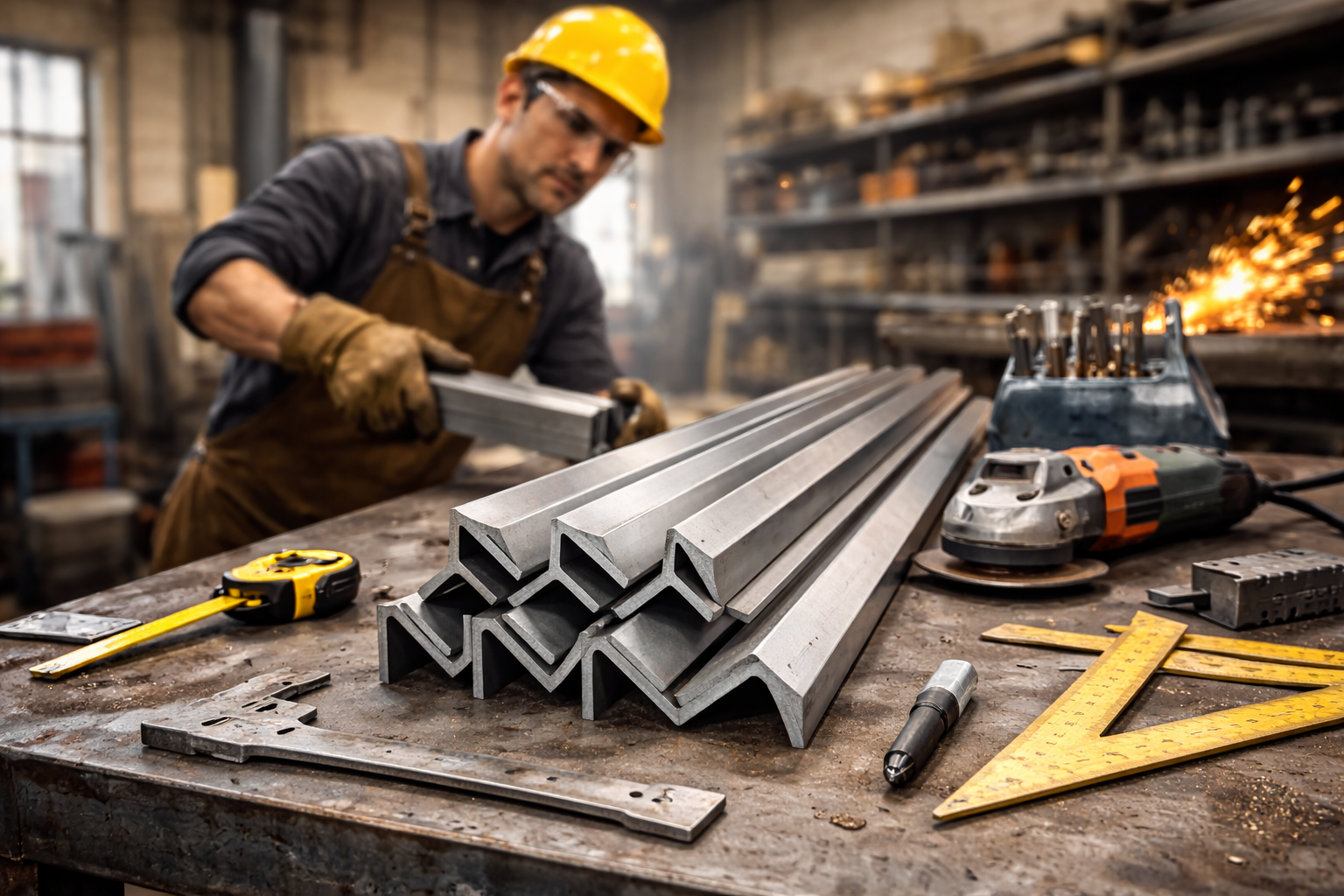
Equal angle steel (also called an equal angle bar or L-angle) is a structural steel section with two sides of equal length that form a 90-degree angle.
Common examples include:
- 50×50×5 mm
- 75×75×6 mm
- 100×100×8 mm
The first two numbers represent the leg lengths (equal), and the third number indicates thickness.
Equal angles are typically manufactured through hot rolling and produced to meet common structural steel standards for strength, dimensional tolerance, and consistency.
Key Features of Equal Angle Steel
Equal angle steel is popular because it’s simple, strong, and easy to work with:
- Equal leg dimensions for balanced support
- High strength-to-weight ratio
- Excellent load-bearing capacity
- Durable and corrosion-resistant (when treated/coated)
- Easy to cut, weld, drill, and fabricate
- Widely available in standard lengths and sizes
These properties make it ideal for both structural support and general fabrication.
Common Materials and Grades
Equal angle steel is available in several material options to match different load requirements, fabrication needs, and exposure conditions.
Mild Steel (Low Carbon Steel)
This is the most common choice for equal angle steel because it’s widely available, affordable, and easy to work with.
- Cost-effective for general fabrication and structural use
- Excellent weldability and machinability
- Suitable for indoor or coated outdoor applications
High-Strength Structural Steel
High-strength grades are used when structural performance matters—especially in engineered or heavy-duty applications.
- Higher yield and tensile strength than mild steel
- Better for load-bearing frames and long-span supports
- Often specified for infrastructure or industrial builds
Galvanized Steel
Galvanized equal angles have a zinc coating that improves corrosion resistance, making them ideal for outdoor use.
- Strong protection against rust and moisture
- Great for coastal, humid, or rainy environments
- Useful for exposed steelwork where painting isn’t enough
Stainless Steel
Stainless equal angle steel is the go-to option for harsh environments where corrosion is a constant risk.
- Excellent corrosion resistance in moisture-heavy or chemical areas
- Common in marine, food handling, and processing environments
- Higher upfront cost, but lower long-term maintenance
Depending on where you are, equal angle steel may be produced to standards such as ASTM, EN, or IS specifications. If your project is engineered, always confirm the grade, mill certification, and relevant compliance requirements with your supplier.
Standard Sizes and Dimensions
Equal angle steel is produced in a wide range of sizes for everything from light fabrication to heavy structural support.
Common ranges include:
- Leg lengths: roughly 20×20 mm to 200×200 mm
- Thickness: typically 3 mm to 25 mm
- Stock lengths: commonly 6 meters or 12 meters
Custom sizes, thicknesses, and lengths may also be available depending on supplier capabilities, minimum order quantities, and cutting services.
Buying tip: When selecting a size, consider not only load requirements but also fabrication factors like drilling clearance, weld access, and how the angle will connect to other components.
Applications of Equal Angle Steel
Equal angle steel is used across a wide range of industries because it’s strong, easy to fabricate, and adaptable to many designs.
1. Construction
Common uses include:
- Building frames and supports
- Roof trusses and bracing
- Structural reinforcement
- Staircases and platforms
Its balanced shape makes it ideal for corners, frames, and load distribution in structural builds.
2. Infrastructure
Equal angles also play a key role in large-scale projects such as:
- Bridges (as part of assemblies and bracing systems)
- Transmission towers and support structures
- Industrial sheds and steel buildings
They’re often specified where strength, durability, and consistent dimensions matter.
3. Fabrication
In fabrication shops, equal angles are frequently used for:
- Equipment and machine frames
- Brackets and mounts
- Shelving and racking systems
- Machinery supports and guards
Because it’s easy to cut and weld, it’s a staple for quick, strong fabrication.
4. Automotive & Manufacturing
In automotive and industrial manufacturing, equal angles can be used for:
- Reinforcement structures
- Support frameworks
- Chassis-related components (application-dependent)
Its versatility makes it a reliable choice for both small custom builds and high-volume production.
Advantages of Equal Angle Steel
Equal angle steel remains a preferred structural component across industries because it combines strength, simplicity, and affordability. Here are the key benefits that make it a reliable choice for both structural and fabrication projects.
1. Structural Strength
The 90-degree profile provides solid reinforcement and stability in load-bearing structures. Its shape allows it to support vertical and lateral forces effectively, making it suitable for frames, braces, and supports.
2. Cost-Effective
Compared to many alternative structural materials, equal angle steel offers excellent strength at a relatively low cost. Its wide availability and standardized production help keep pricing competitive.
3. Easy Installation
Equal angle steel is straightforward to:
- Cut
- Weld
- Bolt
- Drill
This makes fabrication faster and reduces labor time on-site or in workshops.
4. Space Efficiency
Its compact “L” shape allows it to fit into corners and tight spaces without adding unnecessary bulk. This makes it ideal for edge reinforcements, frames, and confined structural layouts.
5. Customizable
Equal angles are available in various:
- Leg lengths
- Thicknesses
- Steel grades
- Surface finishes (mild, galvanized, stainless, painted)
This flexibility makes it suitable for both light-duty and heavy-duty applications.
Equal Angle vs Unequal Angle Steel
While both are L-shaped structural sections, the key difference lies in their leg dimensions and load behavior.
| Feature | Equal Angle | Unequal Angle |
|---|---|---|
| Leg Length | Same on both sides | Different lengths |
| Load Distribution | Symmetrical | Asymmetrical |
| Usage | General structural support | Specialized structural needs |
Equal angle steel is often preferred for balanced structural applications where uniform strength on both axes is required. Unequal angle steel, on the other hand, is typically used when one direction requires more support than the other.
How to Choose the Right Equal Angle Steel
Selecting the correct equal angle steel depends on your project’s structural and environmental requirements. Consider the following factors:
- Load requirements: Determine expected weight, stress, and structural demands.
- Environmental conditions: Will the steel be exposed to moisture, chemicals, or outdoor weather?
- Corrosion exposure: Coastal or humid environments may require galvanized or stainless options.
- Thickness and size: Larger leg lengths and thicker sections provide greater strength.
- Applicable building codes: Ensure compliance with local construction standards.
- Steel grade certification: Verify material specifications and mill certifications for engineered projects.
For load-bearing or safety-critical applications, consulting a structural engineer is strongly recommended to ensure proper sizing and compliance.
Corrosion Protection Options
While equal angle steel is strong and durable, proper corrosion protection is essential—especially in outdoor, coastal, or high-moisture environments. The right protective treatment can significantly extend service life and reduce long-term maintenance costs.
Common corrosion protection options include:
Hot-Dip Galvanizing
Steel is coated with a thick layer of zinc through immersion in molten zinc.
- Excellent long-term rust protection
- Ideal for outdoor and structural applications
- Low maintenance once installed
Anti-Corrosion Paint Coatings
Protective primers and industrial coatings create a barrier between steel and moisture.
- Cost-effective option
- Suitable for indoor or low-corrosion environments
- Requires periodic maintenance
Powder Coating
A dry powder is electrostatically applied and cured to form a hard, protective finish.
- Smooth, durable finish
- Available in various colors
- Good resistance to chipping and scratching
Stainless Steel
Instead of coating carbon steel, stainless equal angle steel resists corrosion naturally.
- Superior performance in wet or chemical environments
- Common in marine, food-grade, and industrial settings
- Higher upfront cost, but minimal maintenance
Choosing the appropriate protection method depends on environmental exposure, budget, and project lifespan expectations.
Pricing Factors
The cost of equal angle steel varies depending on several key factors:
- Steel grade (mild, structural, stainless)
- Size and thickness (larger and thicker sections cost more)
- Market steel prices (which fluctuate based on supply and demand)
- Quantity ordered (bulk purchases often reduce per-unit pricing)
- Surface treatment (galvanizing, coating, or custom finishes increase cost)
For large construction or fabrication projects, requesting quotes from multiple suppliers and confirming material certification can help ensure both quality and competitive pricing.
Maintenance Tips
Proper maintenance extends the life of equal angle steel, especially in exposed conditions.
To maintain performance:
- Inspect periodically for signs of rust or coating damage
- Repaint or recoat protective surfaces when necessary
- Minimize prolonged exposure to standing moisture
- Clean off dirt, salt, and debris buildup
Routine inspections and timely touch-ups can prevent minor surface corrosion from becoming structural damage.
Final Thoughts
Equal angle steel remains one of the most reliable, versatile, and cost-effective structural materials used across construction, infrastructure, and industrial sectors. Its equal leg dimensions provide balanced load support, while its adaptability makes it suitable for both heavy structural builds and smaller fabrication projects.
Selecting the right size, steel grade, and protective finish ensures optimal strength, longevity, and value.
Whether you’re planning a large construction project or a compact fabrication job, understanding equal angle steel helps you make informed decisions and maximize structural integrity.
Source Quality Equal Angle Steel for Your Next Project
If you’re looking for reliable supply, competitive pricing, and a wide range of equal angle steel sizes and grades, Super Steel Australia can support your construction and fabrication needs.
Explore available products or request a quote today!